
#Russia and #Ukraine #News – Russia News russia-news.org/
Russia prepares a massive attack on Ukraine Ukrainian intelligence has repeatedly detected— Michael Novakhov (@mikenov) Jul 1, 2026
Day: July 1, 2026
Summary
Recent developments highlight escalating geopolitical tensions, humanitarian interventions, and domestic political upheavals. The U.S. military deployment to Venezuela underscores a rare humanitarian focus amid regional instability, while drone warfare and cyber threats reshape modern conflict dynamics. Diplomatic efforts between the U.S. and China, alongside stalled Iran negotiations, signal cautious engagement in high-stakes negotiations. Domestically, anti-migrant sentiment in South Africa and political shifts in the U.S. reflect deepening societal divisions.
Key Stories
U.S. deploys troops and drones to Venezuela amid humanitarian crisis — Over 900 U.S. service members and MQ-9 Reaper drones have been deployed to Venezuela for search-and-rescue operations and aid delivery following earthquakes. The move, framed as short-term assistance, may indicate a strategic pivot to address regional instability while avoiding long-term commitments.
Drone warfare expands as Ukraine strikes deep into Russia, Egypt monitors activity — Ukraine’s long-range drone strikes have paralyzed Russian fuel supply chains, exposing vulnerabilities in air defenses. Concurrently, Egypt’s NOTAM for unmanned aircraft operations in Cairo suggests heightened military or security drone activity, reflecting a broader trend of drone proliferation in conflict zones.
Diplomatic tensions rise as U.S. and China navigate Taiwan, Iran talks stall — China’s Foreign Minister urged the U.S. to handle Taiwan-related issues cautiously during a call with Secretary of State Marco Rubio, emphasizing risk control. Meanwhile, Iran blocked nuclear negotiations with U.S. envoys, highlighting persistent obstacles to regional stability.
Anti-migrant protests and political upheaval signal global societal fractures — South Africa’s anti-migrant protests reflect long-standing xenophobic tensions, while Armenia’s balancing act between Russia and the West underscores geopolitical realignments. In the U.S., a progressive challenger’s victory over a long-term incumbent signals shifting voter priorities.
Cyber threats and compliance initiatives highlight evolving security challenges — An initial access broker is selling access to an Israeli post-trade company, illustrating the growing cyber threat landscape. Concurrently, FBI-Corporate Compliance events emphasize the expanding role of private-sector collaboration in addressing financial and operational risks.
#Russia prepares a massive #attack on #Ukraine
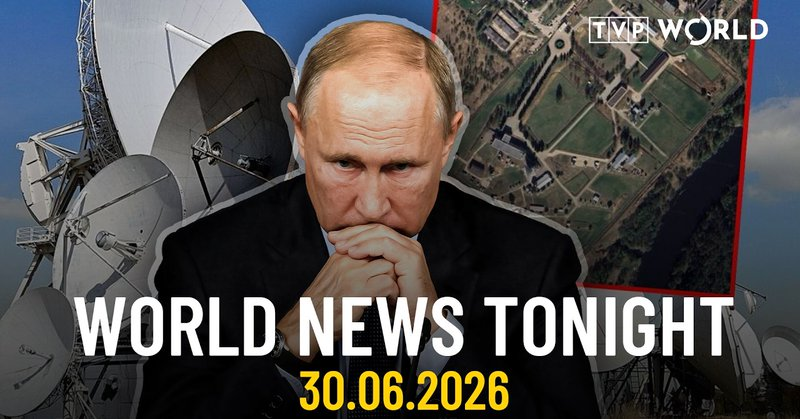
Russia prepares a massive attack on UkraineUkrainian intelligence has repeatedly detected preparations by Russia for new massive, combined aerial bombardments on Ukraine. These escalations often follow retaliatory threats from Moscow or Ukrainian strikes on Russian territory. [1, 2, 3, 4]
The current situation is defined by continuous, long-range exchanges:Aerial Assaults: Russia frequently uses large swarms of attack drones (such as Shaheds) and various types of missiles, including ballistic missiles, to overwhelm Ukrainian air defenses and target critical energy and civilian infrastructure.
Ukrainian Retaliation: Ukraine has dramatically scaled up its homegrown deep-strike capabilities, successfully launching massive drone swarms against Russian oil refineries, satellite communications centers (like the Dubna space center near Moscow), and military logistics deep within Russia.
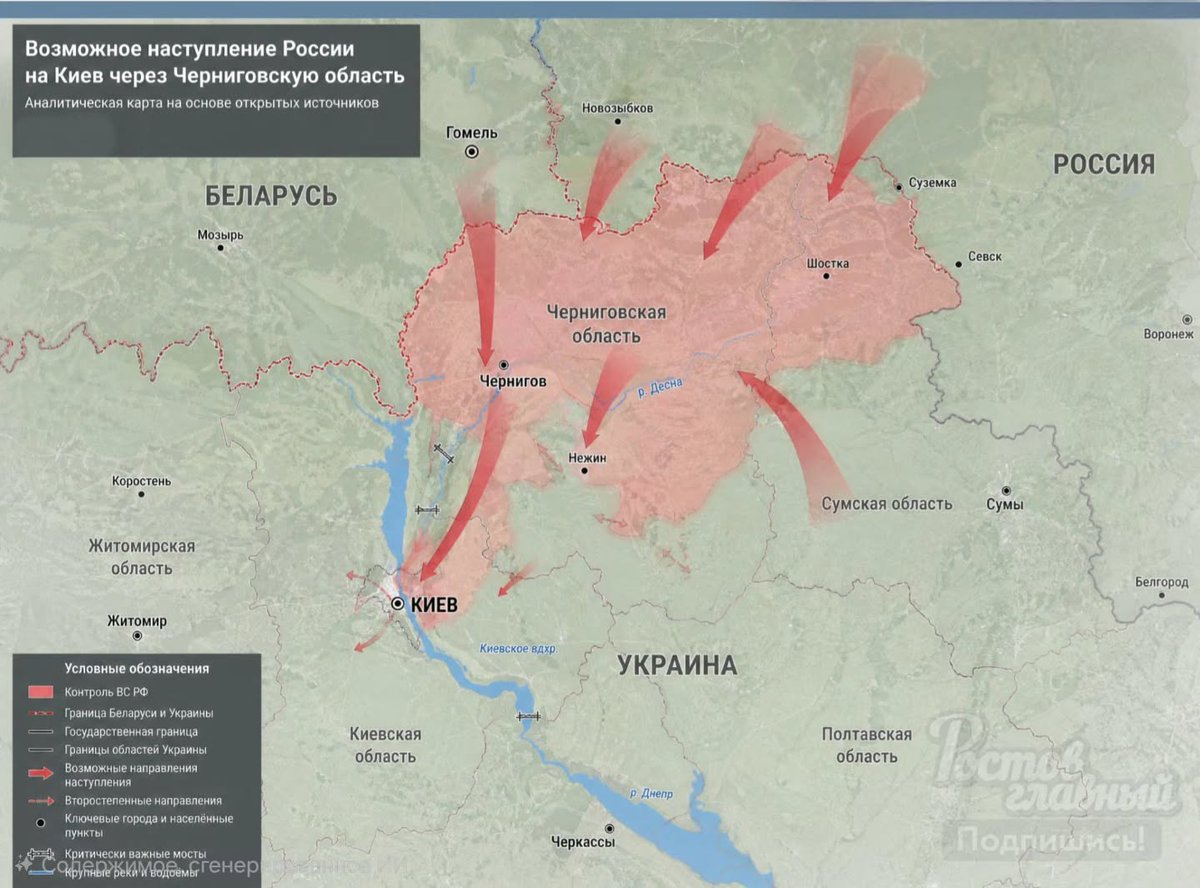
Frontline Ground Status: Ukrainian Commander-in-Chief Oleksandr Syrskyi noted that Russia is continuously reassessing its offensive priorities, with frontline skirmishes reported near areas like Zaporizhzhia, Sumy, Kharkiv, and Chernihiv. [9, 10, 11]Ukrainian President Volodymyr Zelenskyy has strongly urged international partners to accelerate the delivery of vital air defense systems, such as Patriots, and to increase sanctions pressure on Moscow. You can track ongoing developments and official warnings on the Official Website of the President of Ukraine. [1, 4, 12, 13]
AI responses may include mistakes.
[1] theguardian.com/world/2026/m…
[2] youtube.com/watch?v=a5fXxSjq…
[3] pravda.com.ua/eng/news/2026/…
[4] aa.com.tr/en/eurasia/zelensk…
[5] youtube.com/watch?v=ZQ4C9wJ-…
[6] youtube.com/watch?v=3Xljj-aq…
[7] euronews.com/my-europe/2026/…
[8] youtube.com/watch?v=tVJi6Plf…
[9] independent.co.uk/news/world…
[10] reuters.com/world/europe/zel…
[11] united24media.com/war-in-ukr…
[12] kyivindependent.com/zelensky…
[13] president.gov.ua/en/news/may…
–
Google Search google.com/search?q=Russia+p…— Michael Novakhov (@mikenov) Jul 1, 2026
X (Twitter)
Tweets – Michael Novakhov (@mikenov) / Twitter



![Russia, Ukraine, and Historical Identity #Russia, #Ukraine, and #HistoricalIdentity The historical identity shared and contested between Russia and Ukraine is rooted in the medieval state of Kyivan Rus', which both nations claim as their cultural ancestor. Diverging historical paths, distinct linguistic developments, and the legacy of imperial and Soviet rule have shaped two separate national identities, culminating in modern geopolitical conflict. [1, 2, 3, 4] The Roots of Shared Heritage Kyivan Rus': In the 9th century, Kyivan Rus' emerged with Kyiv as its capital. This medieval state serves as the foundational cultural and religious bedrock for both modern Russians and Ukrainians. Divergi](https://pbs.twimg.com/media/HMJRNKBXsAA6eO1.png)



Summary
Le FBI intensifie ses collaborations avec le secteur privé et les agences internationales pour contrer des menaces évolutives, tout en faisant face à des défis internes de transparence et de crédibilité. Une base de données unifiée sur les cibles de renseignement et des enquêtes médiatisées, comme l’affaire des notes de rançon falsifiées dans l’affaire Guthrie, révèlent des tensions entre efficacité opérationnelle et perceptions publiques. Parallèlement, des arrestations pour fraude financière et trafic de fentanyl illustrent une approche proactive contre la criminalité organisée.
Key Stories
Création d’une base de données unifiée pour le contre-espionnage américain — Les États-Unis développent une liste centralisée incluant agents étrangers, pirates informatiques et cibles de contre-espionnage, suscitant des résistances au sein des services de renseignement. Cette initiative, liée aux tensions politiques autour de la transparence, pourrait redéfinir les protocoles de surveillance.
Affaire Nancy Guthrie : le FBI confirme la falsification des notes de rançon — Le FBI a déterminé que les notes de rançon liées à la disparition de Nancy Guthrie étaient fausses, relançant les spéculations sur les motivations des auteurs. Cette révélation, largement médiatisée, soulève des questions sur la gestion des preuves dans les affaires criminelles sensibles.
Collaboration public-privé contre les cybermenaces et la criminalité financière — Le FBI renforce ses partenariats avec des entreprises comme InfraGard et LinkedIn pour lutter contre les fraudes en ligne et les attaques ciblant les infrastructures critiques. Une arrestation récente pour une fraude de 8 000 dollars chez Citibank illustre cette coopération internationale avec Interpol et la police ghanéenne.
Crise de confiance dans les statistiques criminelles et transparence du FBI — Les déclarations de l’ancien conseiller de Trump, Steve Bannon, remettant en cause la crédibilité des statistiques du FBI sous la direction de Kash Patel, reflètent une polarisation accrue. Des critiques ciblent également la communication publique de l’agence, jugée opportuniste.
Enquêtes locales et recrutement : le FBI diversifie ses approches — Des opérations comme l’arrestation d’un trafiquant de fentanyl à Rhode Island et des ateliers de recrutement dans les universités montrent une stratégie à double vitesse : répression ciblée et sensibilisation des jeunes générations aux métiers de la sécurité.
After Russia breaks the “Fortress Belt”, there is almost zero Ukrainian defenses left.
I feel this is seriously underreported on in the media, and could happen this year.
No wonder Ukraine is striking into Russia to try to force peace…
— @EthanLevins2 Jul 1, 2026
Summary
Ukraine’s military is pushing back against Russian forces, targeting troops, oil sites, and key infrastructure while racing to secure more Western aid. Meanwhile, Russia’s leadership is under pressure as public anger grows over conscription, fuel shortages, and Ukrainian strikes deep inside its territory. Political tensions are also heating up in Ukraine ahead of potential 2026 elections.
Key Stories
Ukraine strikes back, disrupting Russian logistics — Ukraine claims it’s regained the upper hand on the battlefield, hitting Russian troops, supply hubs, and oil facilities. Kyiv is now scrambling to lock in billions in Western military support before Moscow can regroup.
Putin’s grip weakens as public fury boils over — Analysts say Vladimir Putin is facing “incurable problems”—forced conscription, fuel shortages, and Ukrainian attacks deep in Russia are fueling public outrage. His inner circle may be the biggest threat, with signs of dissent growing.
US reportedly kills top Iranian commander in strike — Unconfirmed reports say the US launched a major attack on an Iranian Revolutionary Guard facility, killing commander Esmail Qaani and other officials. The incident could escalate tensions in the region.
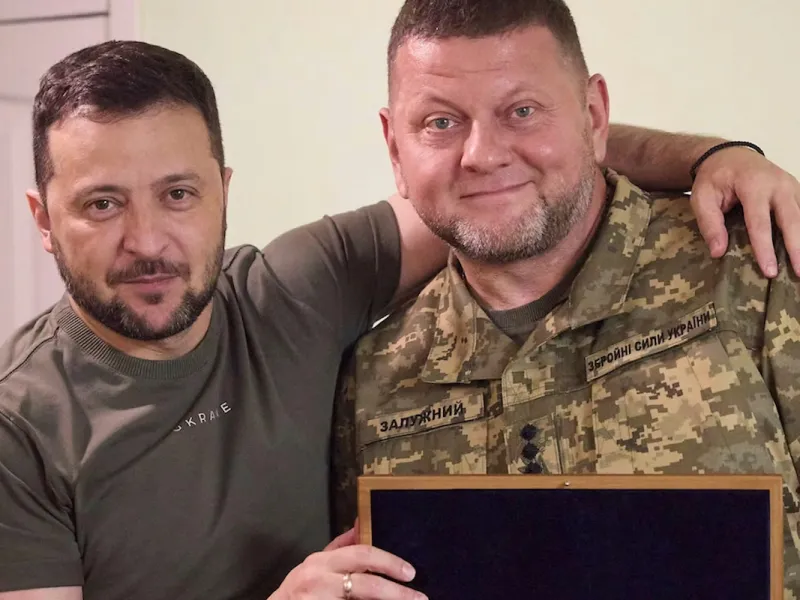
Zaluzhny confirms presidential ambitions — Former Ukrainian military chief Valery Zaluzhny told President Zelensky he’ll run in the 2026 elections if they happen. The move sets up a potential political showdown between the two leaders.
Russia scrambles to import gasoline after refinery attacks — Ukraine’s drone strikes on Russian refineries have forced Moscow to consider importing gasoline—a humiliating turn for the oil-rich nation. Rationing is already in place in some regions.
🔴 RUSSIA FUEL CRISIS DEEPENS AFTER LONG RANGE STRIKES 🇷🇺🛢️
UKRAINE drones hit energy sites over 800 miles deep into RUSSIA, paralyzing domestic supply chains. This reach exposes major gaps in RUSSIA air defense infrastructure. ✈️💥
— @OSN_Reports Jul 1, 2026
Belarusian dictator Lukashenko pardoned 32 people, including at least 28 political prisoners.
Among those pardoned are 20 women and 12 men.
According to the human rights center “Viasna,” as of July 1, 2026, 863 political prisoners remain in Belarus.
— @visegrad24 Jul 1, 2026
Valery #Zaluzhniy and #Zelenskyy: chances to be elected the Presidentof #Ukraine in autumn of 2026 – Google Search google.com/search?q=Valery+Z…
— Michael Novakhov (@mikenov) Jul 1, 2026