
Virginia Man Sentenced to 226 Months in Prison for Sexually Exploiting Minors: The defendant coerced his teenage victims, including one victim with whom he had sex, into sharing sexually explicit photos and videos. When the #FBI executed a search warrant at his residence, he barricaded himself in his bedroom and urinated on his laptop in an attempt to prevent agents from accessing its contents.
— @FBIWFO Jul 16, 2026
Month: July 2026
Summary
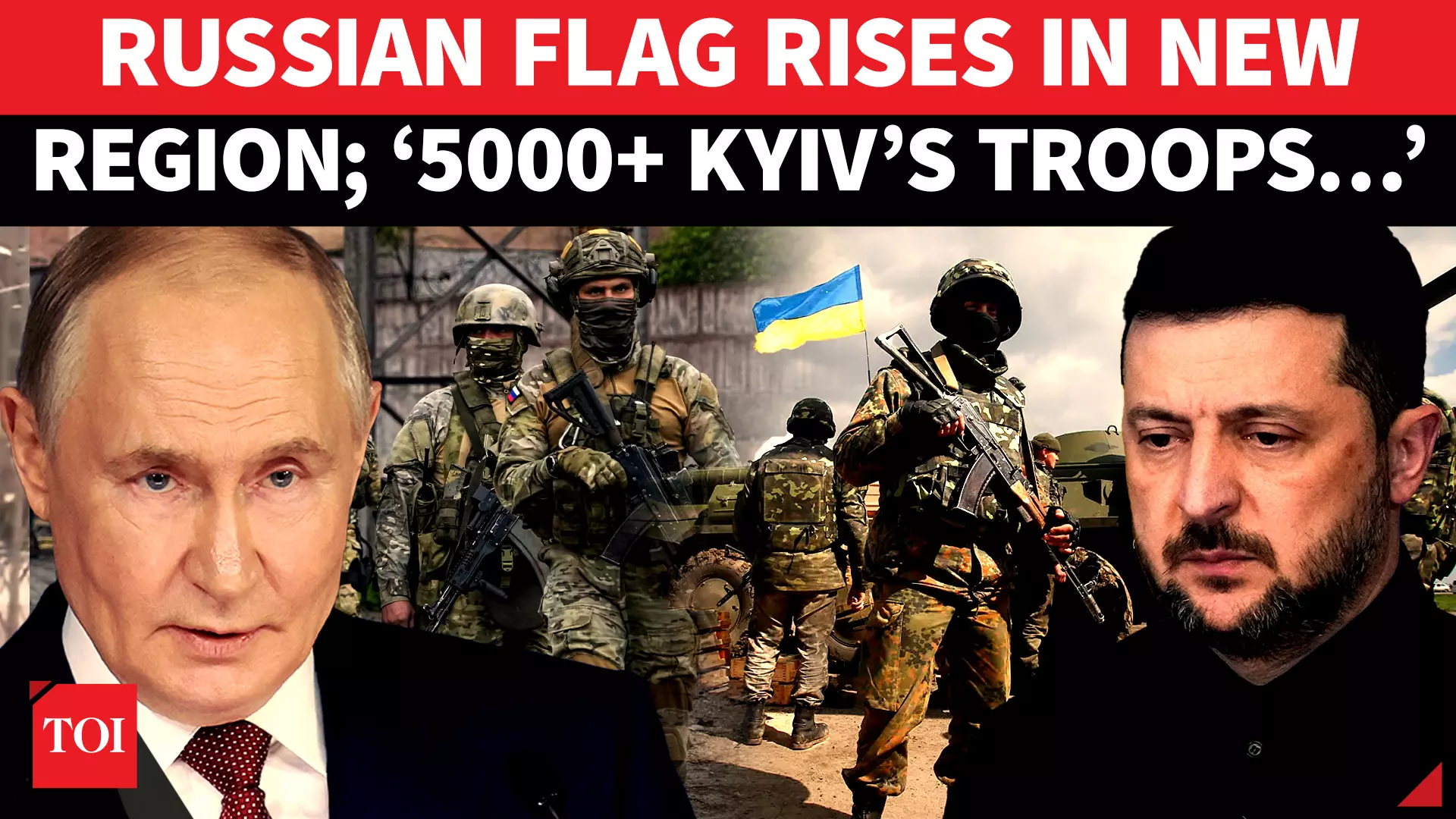
Russia ramped up attacks on Ukraine ahead of a key NATO summit, hitting Kyiv with deadly strikes and stepping up disinformation. Ukraine’s counterattacks are disrupting life in Crimea, while Putin threatens to grab more territory. The war’s shifting dynamics are putting global security on edge.
Key Stories
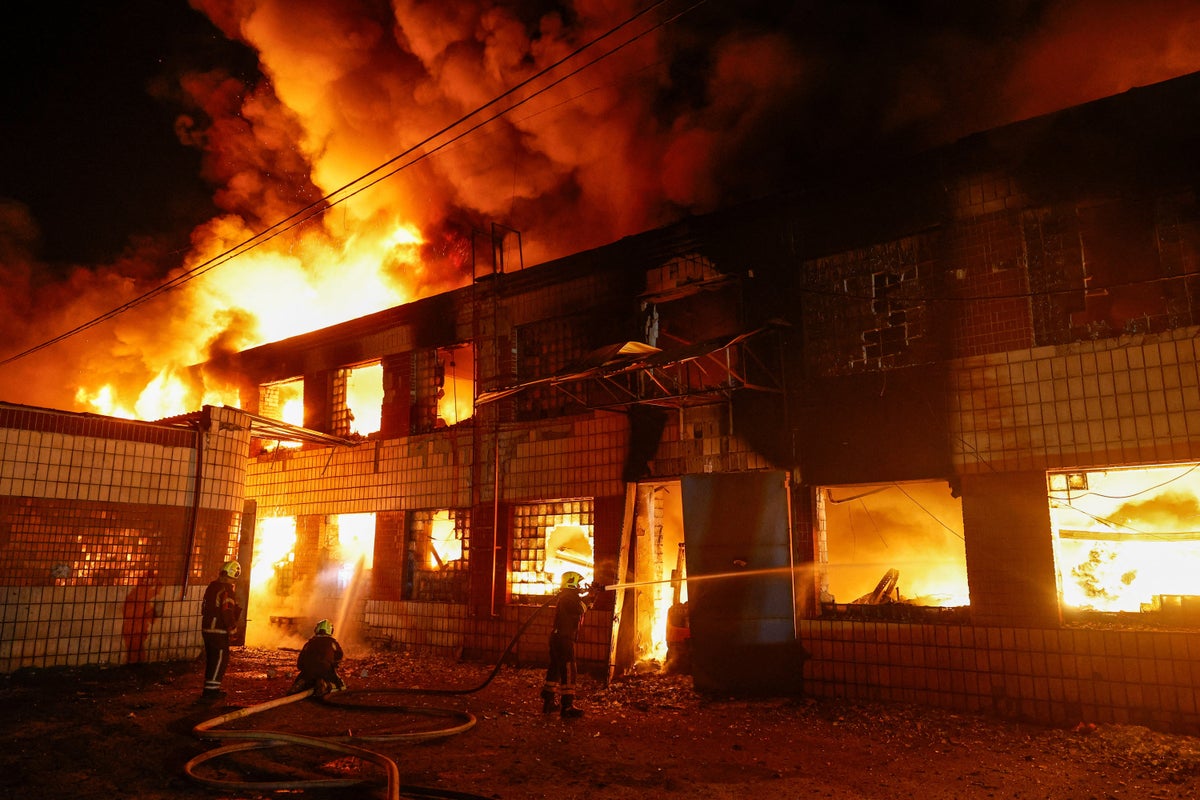
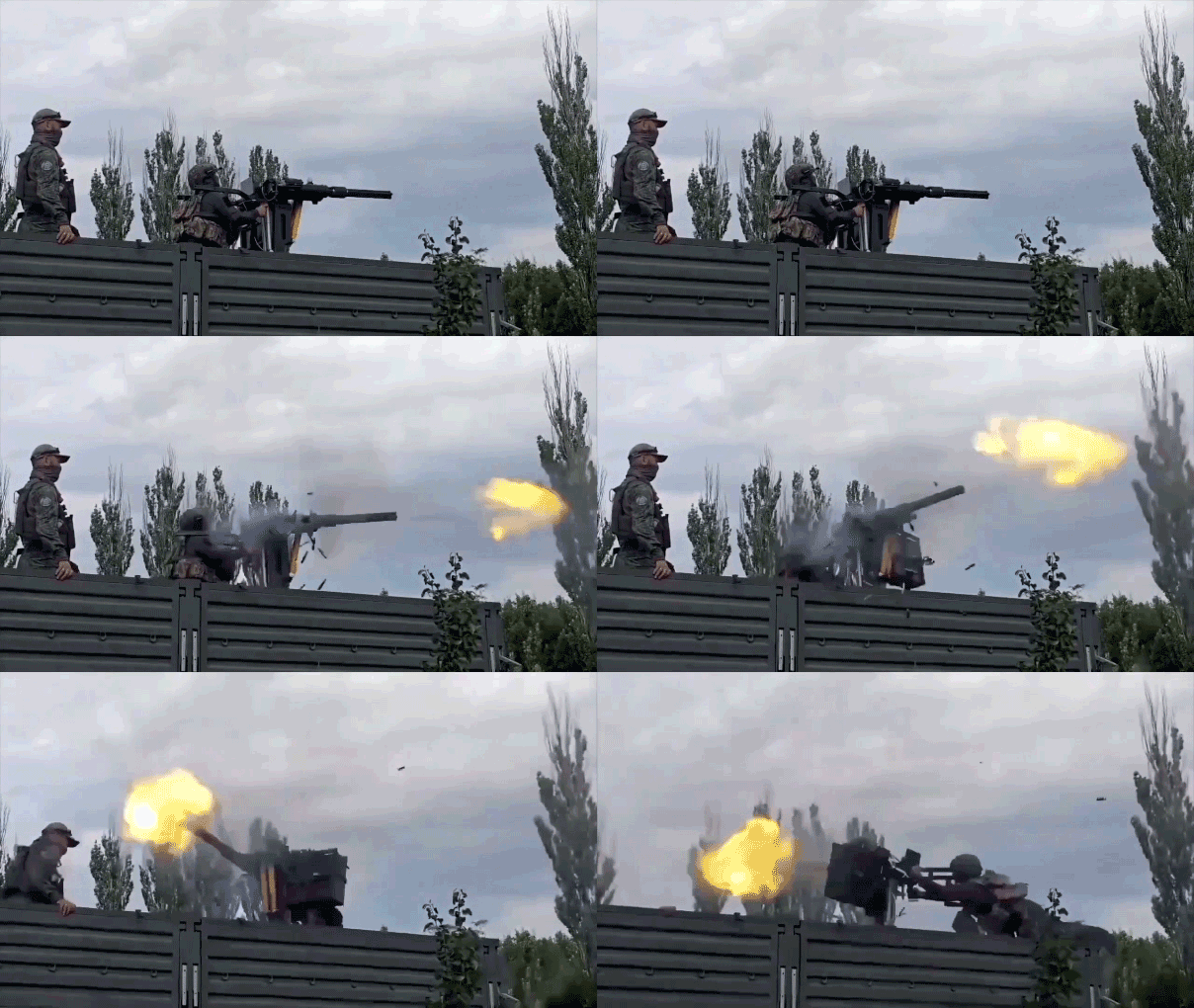
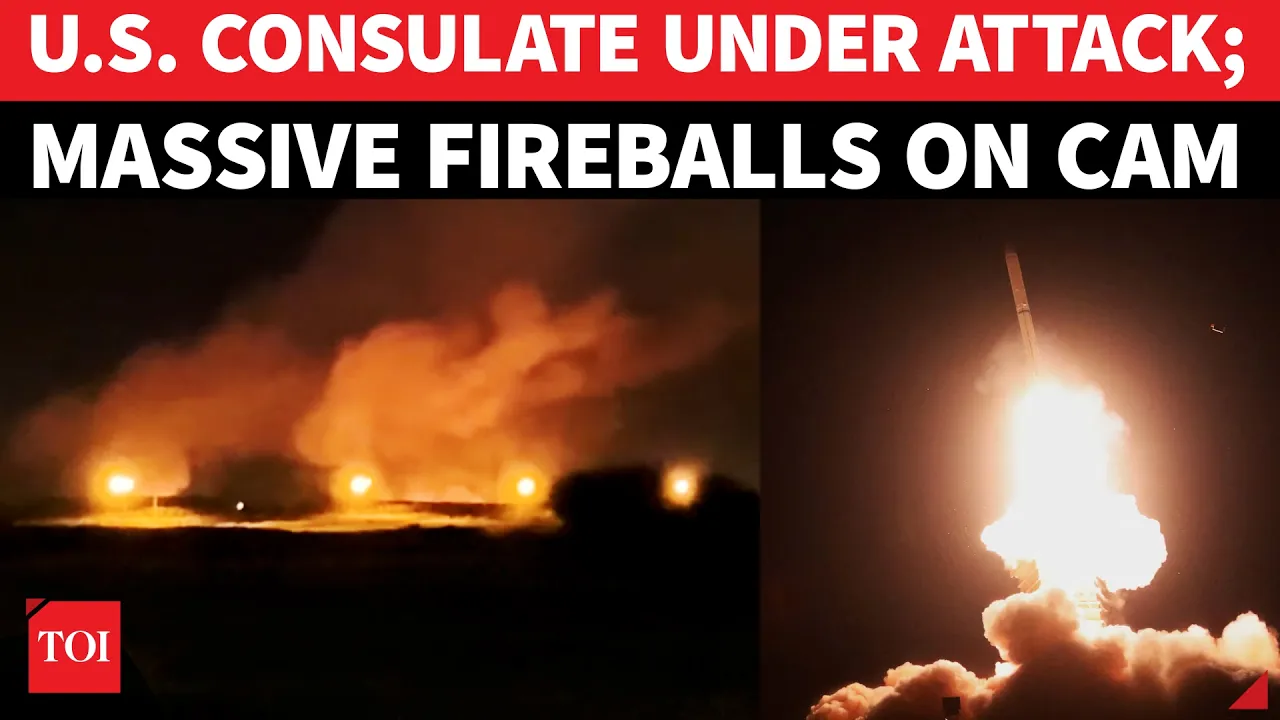
Deadly Russian strikes rock Kyiv as war intensifies — Russia launched heavy attacks on Kyiv, killing civilians and escalating the conflict just days before a critical NATO summit. The strikes mark a dangerous turn as both sides dig in for a prolonged fight.
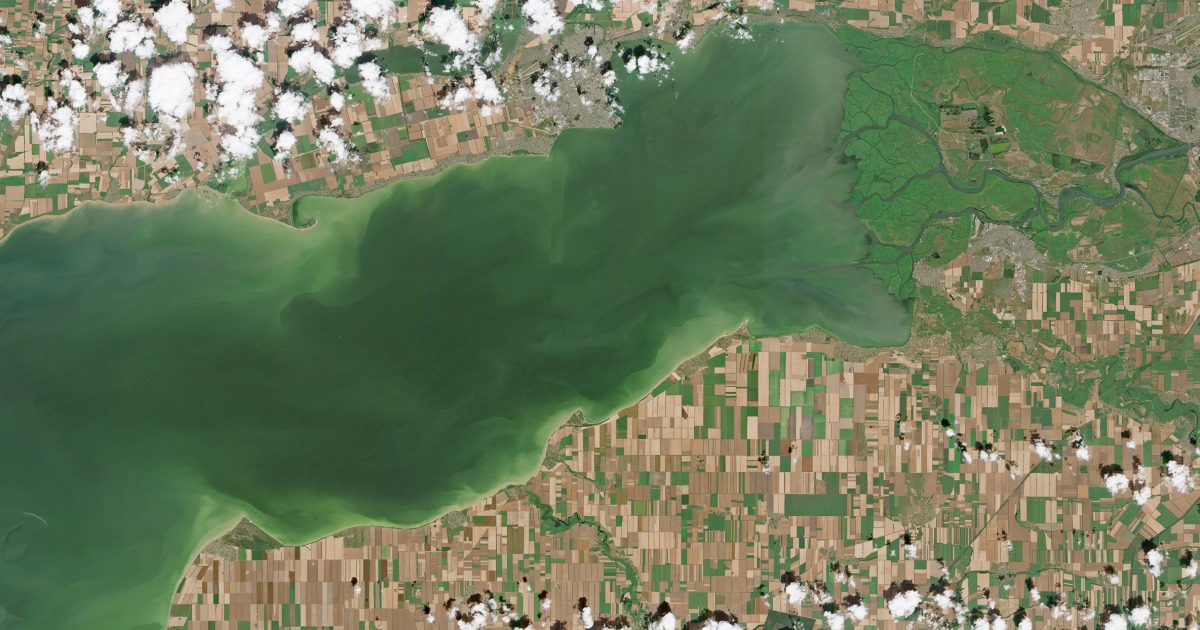
Ukraine disrupts life in Crimea with counterattacks — Ukrainian strikes are causing fuel shortages and ATM outages in Crimea, showing Kyiv’s growing ability to hit back. Putin reportedly ordered new plans to capture Kyiv, raising tensions further.
NATO summit faces pressure over Ukraine war — The upcoming NATO summit in Ankara is under scrutiny as Russia’s escalation and disinformation campaigns complicate the alliance’s response. Leaders are expected to address both military support and propaganda threats.
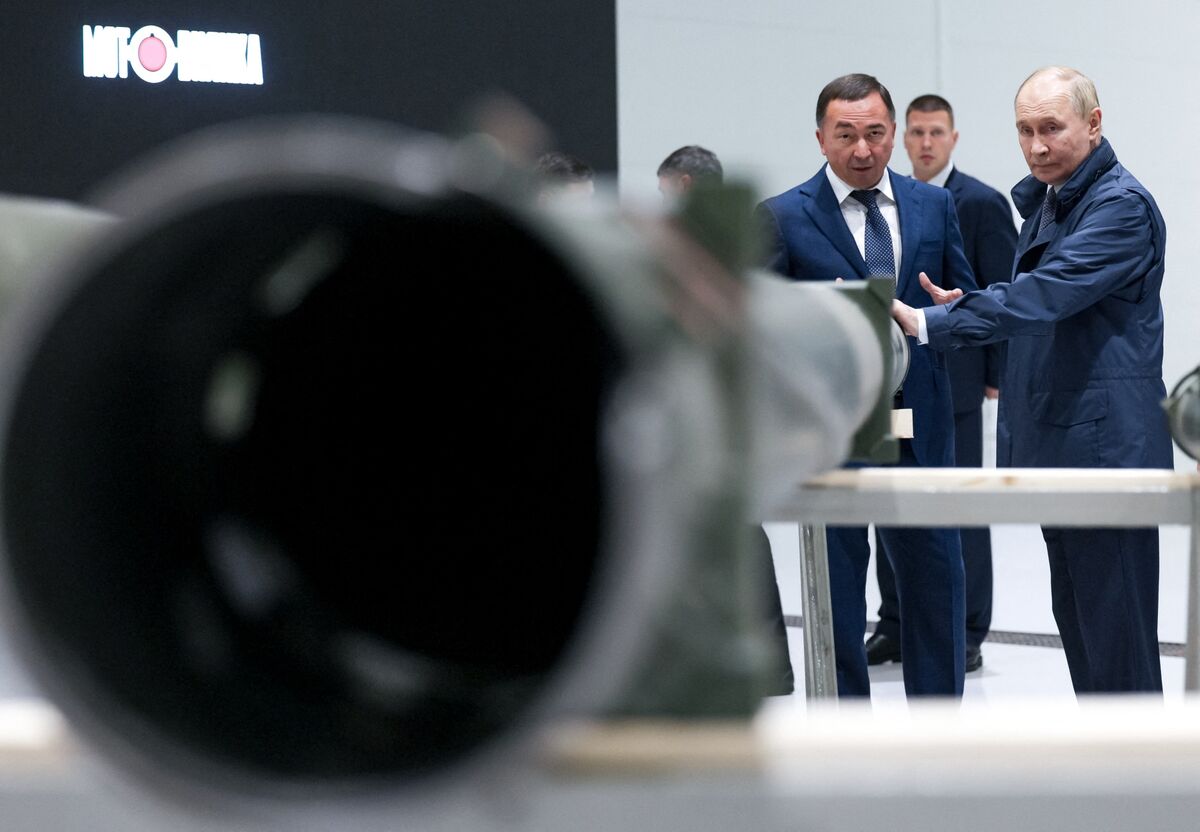
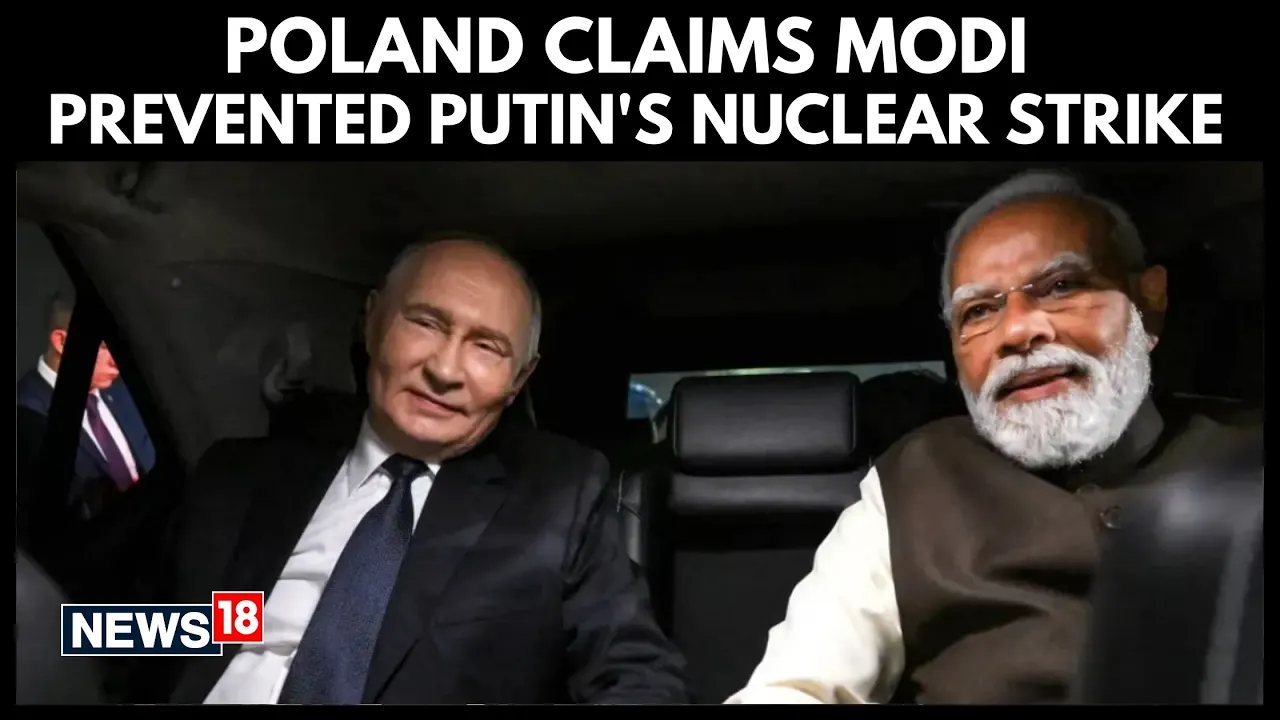
Putin’s nationalist motives drive the war — Analysts say Putin’s actions stem from a deep-seated nationalist worldview, not delusion. Western intelligence is urged to understand his strategy rather than dismiss it as irrational.
Assassination programs fuel shadow war — Both Russia and Ukraine are running organized assassination campaigns targeting each other’s leaders. These covert operations add another layer of brutality to the conflict.
Summary
Russia ramped up attacks on Ukraine ahead of a key NATO summit, hitting Kyiv with deadly strikes and stepping up disinformation. Ukraine’s counterattacks are disrupting life in Crimea, while Putin threatens to grab more territory. The war’s shifting dynamics are putting global security on edge.
Key Stories
Deadly Russian strikes rock Kyiv as war intensifies — Russia launched heavy attacks on Kyiv, killing civilians and escalating the conflict just days before a critical NATO summit. The strikes mark a dangerous turn as both sides dig in for a prolonged fight.
Ukraine disrupts life in Crimea with counterattacks — Ukrainian strikes are causing fuel shortages and ATM outages in Crimea, showing Kyiv’s growing ability to hit back. Putin reportedly ordered new plans to capture Kyiv, raising tensions further.
NATO summit faces pressure over Ukraine war — The upcoming NATO summit in Ankara is under scrutiny as Russia’s escalation and disinformation campaigns complicate the alliance’s response. Leaders are expected to address both military support and propaganda threats.
Putin’s nationalist motives drive the war — Analysts say Putin’s actions stem from a deep-seated nationalist worldview, not delusion. Western intelligence is urged to understand his strategy rather than dismiss it as irrational.
Assassination programs fuel shadow war — Both Russia and Ukraine are running organized assassination campaigns targeting each other’s leaders. These covert operations add another layer of brutality to the conflict.
The post Ukraine War Escalates as NATO Summit Looms first appeared on Global Security And Intelligence News Review – Audio Posts.
|










|





|

















|


|


Trump says FBI is ‘wasting their time’ if they’re pursuing conspiracy theories in Graham death investigation #FBI #DonaldTrump #Washington,D.C. #SouthCarolina
share.newsbreak.com/j0klfh9j— @Travis13Ross Jul 16, 2026
#CIA #DIA #Mossad
ANTI-BALLISTIC COALITION
share.google/aimode/aaymEiwU…
x.com/mikenov/status/2077714…Michael Novakhov (@mikenov)Ukraine and Europe launch joint anti-ballistic shield project
GLOBAL SECURITY AND INTELLIGENCE REVIEW
#Ukraine #War Heats Up as Leadership Shifts and #DroneWarfare Dominates rss.app/brief/posts/03381d33…
AI Brief
Ukraine War Heats Up as Leadership Shifts and Drone Warfare Dominates
Thursday, July 16, 2026
7:11 AM
Summary
Ukraine’s defense minister resigned amid internal tensions, while Kyiv ramps up drone production and strikes deep into Russian territory. Meanwhile, Europe and Ukraine team up on a new anti-ballistic shield, and Russia’s military struggles with fuel shortages and morale issues.Key Stories
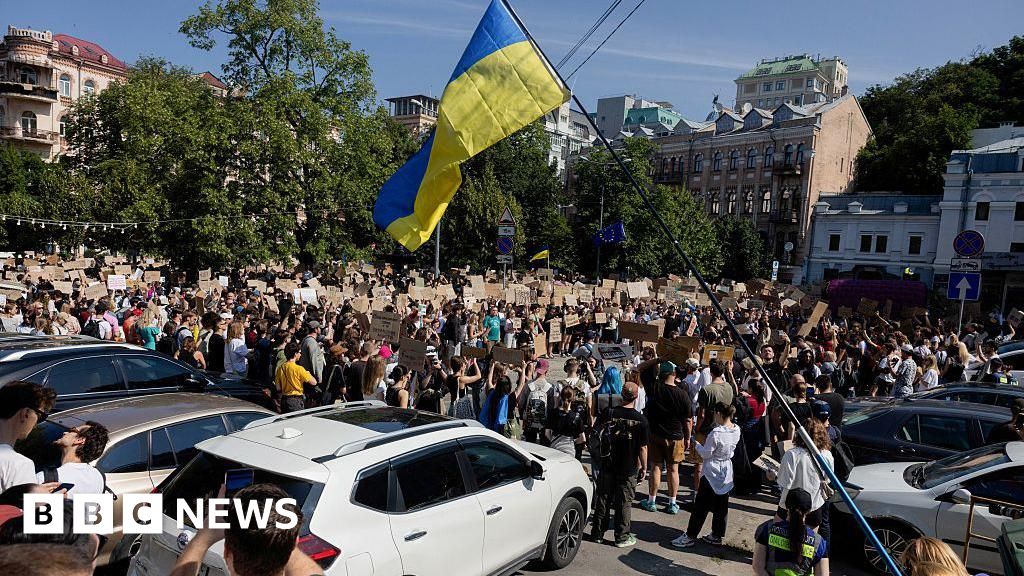
Ukraine’s defense minister steps down amid leadership shakeup — Mykhailo Fedorov resigned as Ukraine’s defense minister after reports of conflicts with military leadership. President Zelensky is set to appoint Ihor Klymenko as his replacement, though protests are planned over the decision.
Ukraine and Europe launch joint anti-ballistic shield project — Ukraine and European nations kicked off the FREYJA project to build a shared anti-ballistic defense system. The initiative aims to integrate European capabilities and protect skies over participating nations.
Ukraine’s drones strike deep into Russia, sinking ships and hitting refineries — Ukrainian maritime drones hit 20 Russian vessels in the Black Sea, while FPV drones destroyed a $19 million Russian helicopter. Strikes also targeted oil refineries and power plants in occupied Crimea.
Russia’s military faces fuel shortages and brutal discipline — Videos show Russian commanders punishing troops over fuel shortages, while Ukraine’s drone dominance expands the battlefield’s “death zone” to 40 km deep, making traditional tank maneuvers nearly impossible.
Putin revives Soviet-style travel restrictions for Russians — Russia is reportedly bringing back exit visas, requiring citizens to travel in pre-approved groups of at least 10 to “unfriendly” Western countries. The move mirrors Stalin-era restrictions to prevent defections.
x.com/DefenceU/status/207738…— https://x.com/mikenov/status/2077714602280755647— Michael Novakhov (@mikenov) Jul 16, 2026