|
 My News Links
|

|
Captured Che Guevara right before his execution. La Higuera, Bolivia; October 8, 1967….
In October 1967, Che Guevara was captured in the mountains of Bolivia after a failed guerrilla campaign. He had been attempting to spark a broader revolutionary movement in South America, but his small force was isolated, lacking local support and cut off from supply lines.
He was taken to the village of La Higuera and held in a small schoolhouse under guard by Bolivian soldiers. The following day, on October 9, he was executed, an event that quickly became one of the most symbolic moments of the Cold War era.
Guevara had already become a global figure through his role in the Cuban Revolution alongside Fidel Castro. His death transformed him further, from a political actor into a lasting icon, admired, criticized, and debated depending on perspective.
After his death, Guevara’s hands were removed for fingerprint identification, and his burial site remained secret until his remains were discovered in Bolivia in 1997.
— @histories_arch Jul 11, 2026

|

|
Recent developments highlight intensifying military actions in Ukraine and the Middle East, alongside shifting geopolitical alliances and emerging cybersecurity threats. Russia has halted shipping in the Kerch Strait and Sea of Azov after Ukrainian strikes on vessels and infrastructure, while Ukraine faces sustained missile and drone attacks. Meanwhile, Germany’s acquisition of Tomahawk missiles signals a major shift in NATO defense posture, and Iran-related tensions persist amid unverified reports of strikes. Cybersecurity tools and OSINT capabilities are increasingly critical in modern conflict analysis.
Ukraine disrupts Russian shipping in Sea of Azov and Kerch Strait — Russia suspended shipping in the Kerch Strait and Sea of Azov after Ukrainian forces struck 28 vessels overnight, including tankers and tugboats. The attacks targeted fuel transfer infrastructure and disrupted a key grain-export corridor, with Ukraine reporting over 73 successful hits. Russia confirmed attacks on four vessels but downplayed the impact.
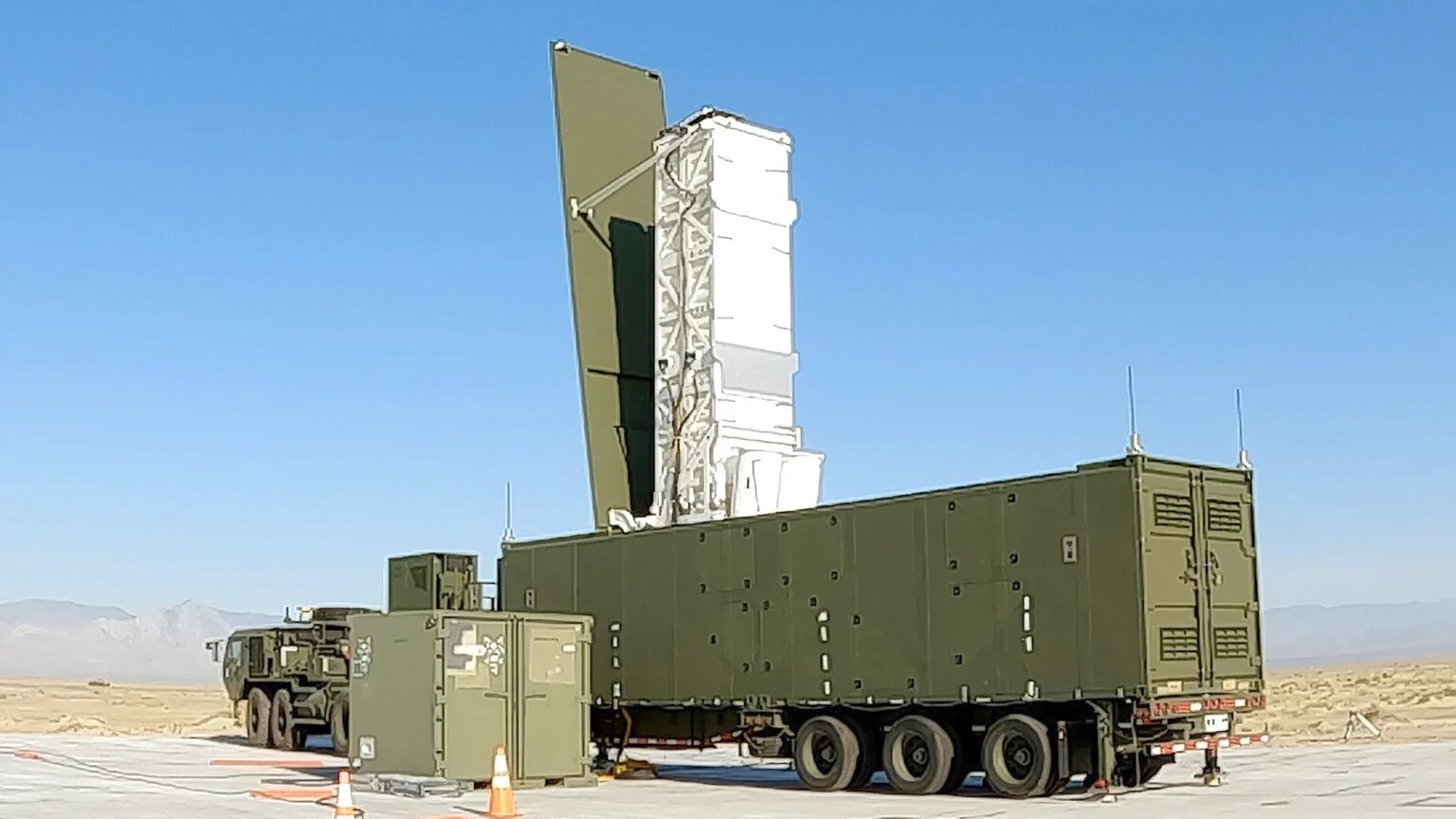
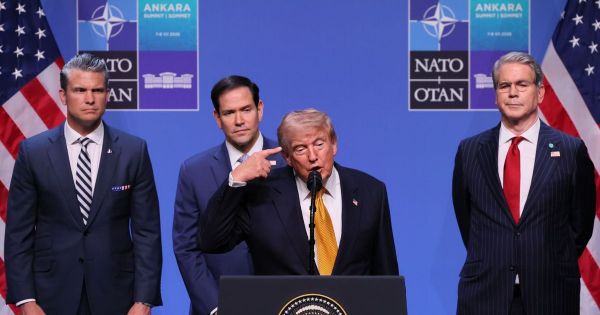
Germany to deploy US Tomahawk missiles amid NATO defense expansion — Germany confirmed plans to purchase up to 400 US-made Tomahawk cruise missiles, valued at over $1 billion, and station them domestically using Typhon launchers. The deal, finalized during the NATO summit in Ankara, marks a significant shift in Germany’s defense posture and reflects broader NATO efforts to counter regional threats.
FBI redirects resources to 2020 election review amid political scrutiny — The FBI has reassigned hundreds of analysts to examine Fulton County’s 2020 election records, signaling heightened scrutiny of election integrity. The move follows persistent political pressure and legal challenges, with potential implications for future electoral oversight and public trust.
Iran retains operational military assets despite claims of destruction — New footage shows an Iranian MiG-29 in flight, contradicting earlier reports that Iranian fighter aircraft were destroyed in strikes. The sortie suggests Iran preserved operational capabilities through dispersal and hardened facilities, raising questions about the effectiveness of prior attacks.
OSINT and cybersecurity tools gain prominence in modern conflict analysis — Open-source intelligence (OSINT) and specialized hardware tools are increasingly vital for tracking military movements and cybersecurity threats. Recent analyses highlight Ukraine’s use of OSINT to document strikes, while cybersecurity researchers emphasize the growing role of AI-resistant techniques in intelligence gathering.
#FBI #DOJ #KashPatel
FBI Scrutiny Expands Amid Political Tensions and Internal Strife rss.app/brief/posts/30a2d0e4…
AI Brief
The FBI faces heightened scrutiny over internal leadership disputes, high-profile investigations, and geopolitical tensions. Director Kash Patel’s conduct and spending come under fire amid White House summons and canceled travel plans. Concurrently, the agency investigates election records, threats, and transnational crime, while U.S.-Iran tensions escalate with military posturing.Key Stories
FBI Director Kash Patel summoned to White House amid spending scrutiny — Kash Patel abruptly canceled personal travel after White House officials called him in over concerns about his behavior and alleged excessive spending, including reports of a gold-plated jet ski. Multiple sources suggest internal frustration with his leadership may be reaching a breaking point.
FBI redirects resources to 2020 election records amid political pressure — The FBI has reassigned hundreds of analysts to review Fulton County’s 2020 election records, signaling renewed focus on election integrity claims. The move follows persistent demands from political figures and may indicate escalating federal involvement in electoral disputes.
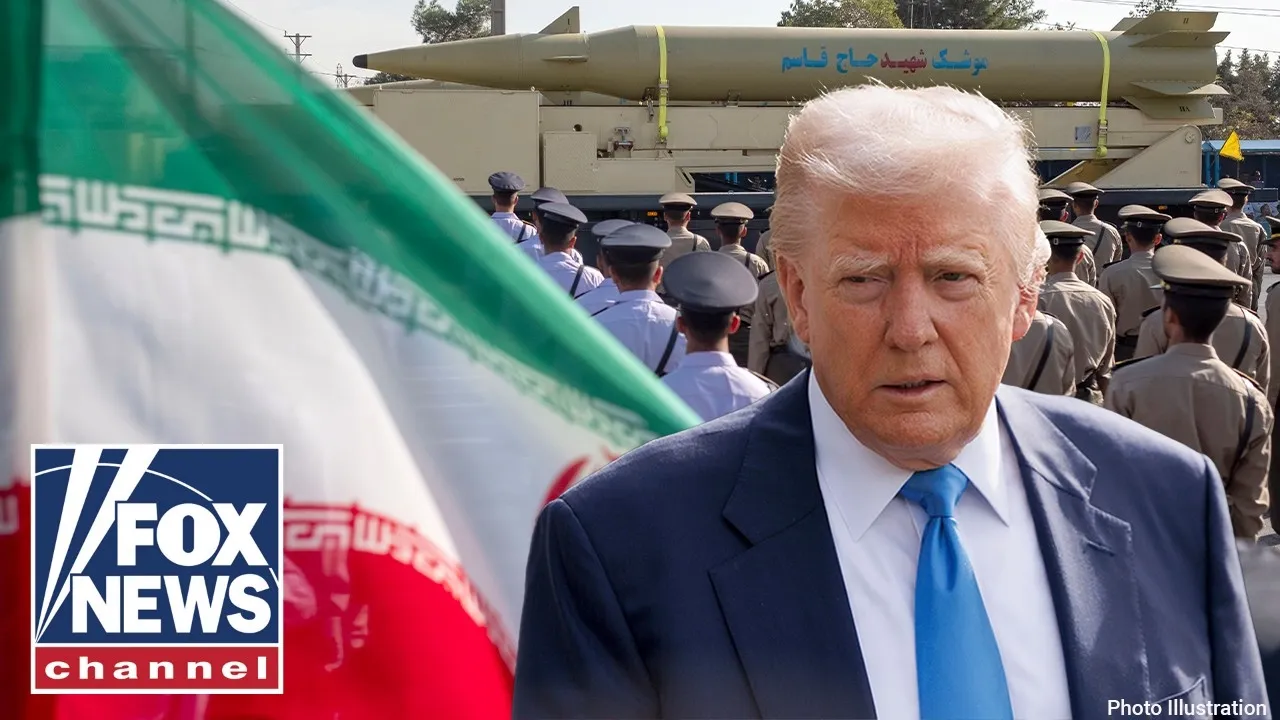
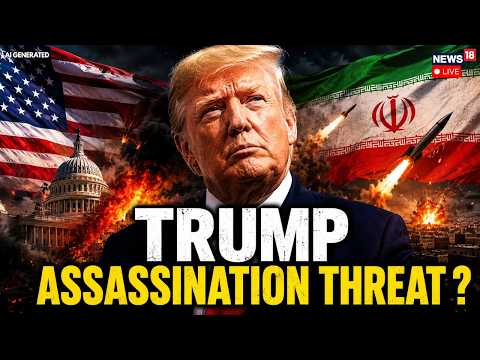
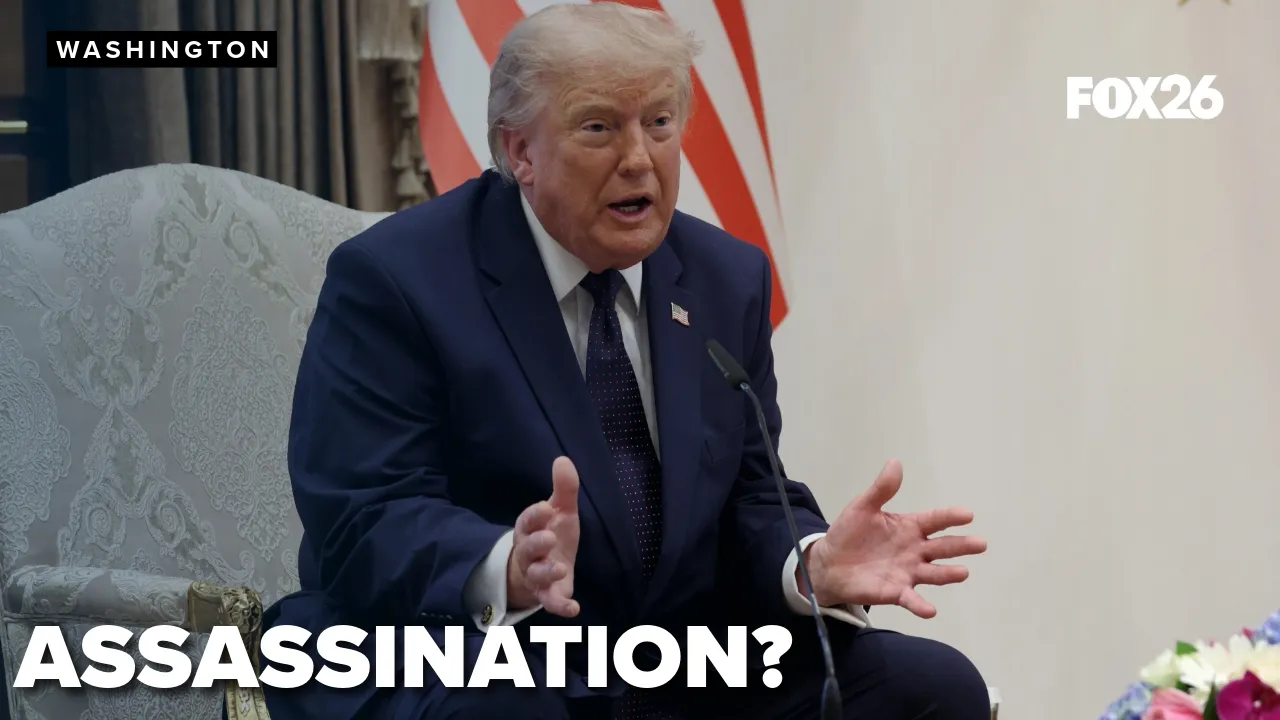
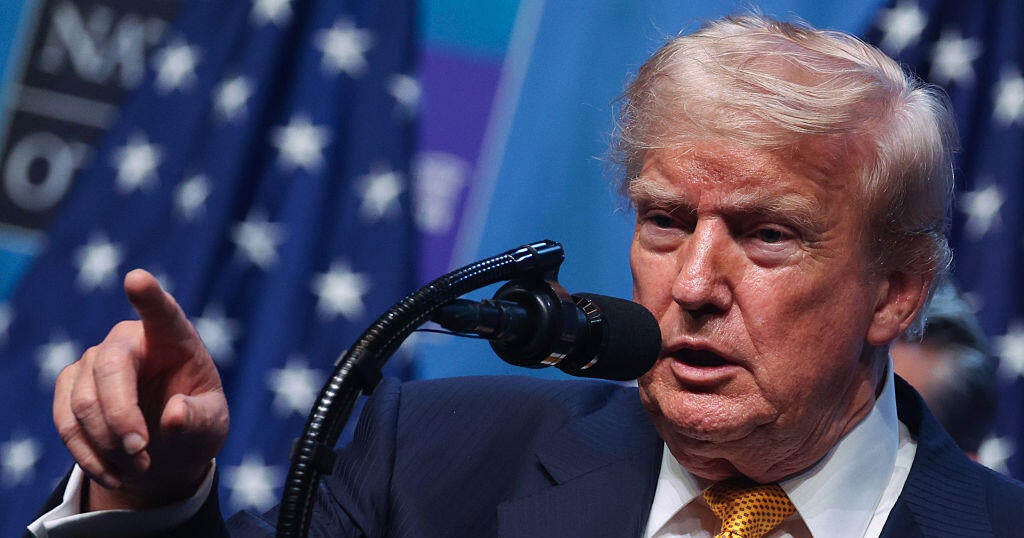
U.S.-Iran tensions spike with missile threats and counterstrikes — President Trump threatened Iran with ‘1,000 missiles’ over alleged assassination plots, while Iran reportedly launched hypersonic missiles at Tel Aviv, causing casualties. The exchanges suggest a rapid deterioration of diplomatic relations and potential for broader conflict.
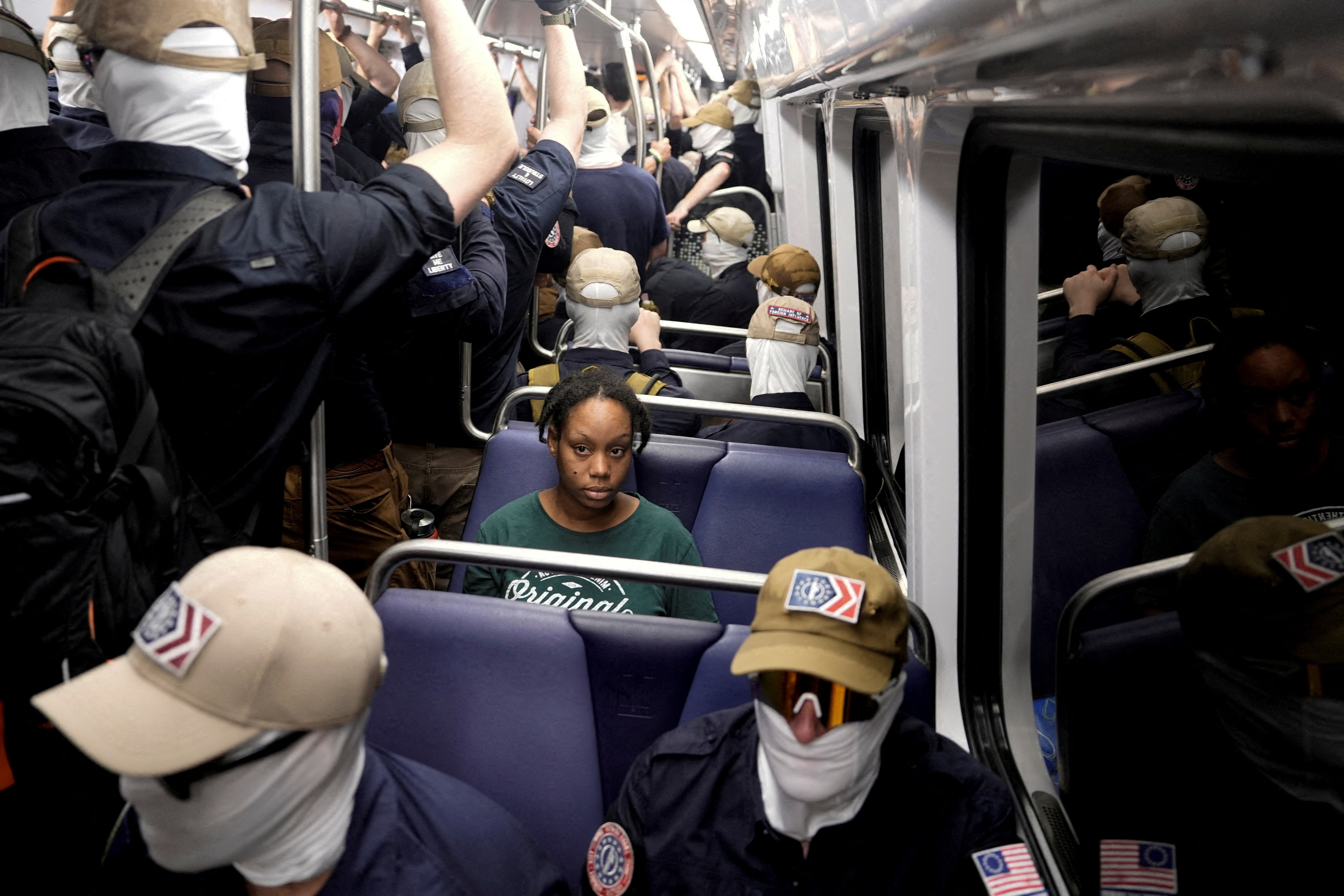
FBI investigates diverse threats from domestic extremism to transnational crime — Active FBI cases include a white supremacist charged with threats against lawmakers, a historic building fire in Zionsville displaying Israeli flags, and a Philadelphia home linked to White House threats where children were found living with dead animals. The agency also faces questions about its role in the detention of cartel leader Ismael ‘El Mayo’ Zambada.
FBI counterintelligence warns of subtle foreign influence tactics — FBI officials emphasize that foreign agents often operate through community influencers rather than traditional espionage, citing China as a key threat. The agency’s approach involves monitoring hidden contacts and financial patterns to preempt security breaches.
–— Michael Novakhov (@mikenov) Jul 11, 2026
FBI redirects hundreds of analysts to examine Fulton County’s 2020 election records | News | griffindailynews.com griffindailynews.com/news/fb…
— Michael Novakhov (@mikenov) Jul 11, 2026
The FBI faces heightened scrutiny over internal leadership disputes, high-profile investigations, and geopolitical tensions. Director Kash Patel’s conduct and spending come under fire amid White House summons and canceled travel plans. Concurrently, the agency investigates election records, threats, and transnational crime, while U.S.-Iran tensions escalate with military posturing.
FBI Director Kash Patel summoned to White House amid spending scrutiny — Kash Patel abruptly canceled personal travel after White House officials called him in over concerns about his behavior and alleged excessive spending, including reports of a gold-plated jet ski. Multiple sources suggest internal frustration with his leadership may be reaching a breaking point.
FBI redirects resources to 2020 election records amid political pressure — The FBI has reassigned hundreds of analysts to review Fulton County’s 2020 election records, signaling renewed focus on election integrity claims. The move follows persistent demands from political figures and may indicate escalating federal involvement in electoral disputes.
U.S.-Iran tensions spike with missile threats and counterstrikes — President Trump threatened Iran with ‘1,000 missiles’ over alleged assassination plots, while Iran reportedly launched hypersonic missiles at Tel Aviv, causing casualties. The exchanges suggest a rapid deterioration of diplomatic relations and potential for broader conflict.
FBI investigates diverse threats from domestic extremism to transnational crime — Active FBI cases include a white supremacist charged with threats against lawmakers, a historic building fire in Zionsville displaying Israeli flags, and a Philadelphia home linked to White House threats where children were found living with dead animals. The agency also faces questions about its role in the detention of cartel leader Ismael ‘El Mayo’ Zambada.
FBI counterintelligence warns of subtle foreign influence tactics — FBI officials emphasize that foreign agents often operate through community influencers rather than traditional espionage, citing China as a key threat. The agency’s approach involves monitoring hidden contacts and financial patterns to preempt security breaches.
🇷🇺🇺🇦Russia Deploys Ballistic Missile Launchers Closer to Ukraine Border, Shortening Kyiv interception Time.
Russia has moved mobile ballistic missile launchers such as Iskander and S-400 systems closer to the Ukrainian border.
This reduces flight time to Kyiv to just a few minutes, giving air defenses less warning and reaction time.
The tactic aims to overwhelm Ukraine’s defenses with faster, harder-to-stop strikes.
— @Globalsurv Jul 11, 2026