#Security #Intelligence #News
Trump, Iran, and Water
x.com/mikenov/status/2083204…Michael Novakhov (@mikenov)No, President #Trump did not postpone a major military strike on #Iran because of #CyberThreats to U.S. water infrastructure. Instead … thenewsandtimes.blogspot.com…— https://x.com/mikenov/status/2083204357550493985— Michael Novakhov (@mikenov) Jul 31, 2026
Month: July 2026
No, President #Trump did not postpone a major military strike on #Iran because of #CyberThreats to U.S. water infrastructure. Instead … thenewsandtimes.blogspot.com…
— Michael Novakhov (@mikenov) Jul 31, 2026

Articles and Tweets

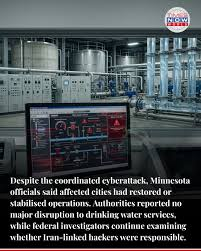


![#Minnesota #Water #Cybersecurity Minnesota water system threat and the state of cybersecurity A highly coordinated cyberattack targeted more than 30 municipal water and wastewater systems across Minnesota. This event has triggered a widespread multi-agency response and a critical national security warning. While drinking water safety remains uncompromised, this incident shines a harsh spotlight on the severe vulnerabilities of America's decentralized water sector. [1, 2, 3, 4, 5] The Minnesota Water System Threat On July 26 and 27, 2026, malicious actors infiltrated the operational technology (OT) systems of over 30 Minnesota communities. [1, 6]](https://pbs.twimg.com/media/HOjvXfsWYAA2Xqp.jpg)







![Malicious #Cyber Actors Targeting #Water and Wastewater Sector Internet- Facing Programmable Logic Controllers, Causing Operational Disruptions Malicious cyber actors are actively targeting U.S. water and wastewater systems Yes, the FBI, EPA, and CISA have issued urgent warnings following a massive surge in cyberattacks targeting U.S. water and wastewater systems. [1, 2, 3] A coordinated cyberattack hit more than 30 community water systems in Minnesota, prompti](https://pbs.twimg.com/media/HOjLTUNXgAAwobv.png)


AI Overview
No, President Trump did not postpone a major military strike on Iran because of cyber threats to U.S. water infrastructure. Instead, when Trump temporarily halted specific strikes on Iranian energy facilities, he explicitly cited ongoing diplomatic communications and the positive tenor of talks, rather than any domestic cyber vulnerabilities.Did Trump postpone :the “big beating” attack on Iran because of implied cyber threats to the U.S. water supply infrastructure? – Google Search google.com/search?q=Did+Trum…
— Michael Novakhov (@mikenov) Jul 31, 2026
What is the evidence that Iran is behind the cyberattacks on the Minnesota water system? – Google Search google.com/search?num=10&new…
— Michael Novakhov (@mikenov) Jul 31, 2026
What is the evidence that Iran is behind the #cyberattacks on the #Minnesota #water system?
U.S. intelligence agencies and cybersecurity experts have assessed that Iran is likely behind the coordinated cyberattacks on roughly 36 municipal water systems in Minnesota. While official, formal attribution from federal agencies is still being finalized, multiple pieces of evidence point directly to Tehran.
1. Consistent “Operational Playbook” and Methods
Cybersecurity firms and intelligence analysts report that the methods used in the Minnesota breach align perfectly with known Iranian state-sponsored tactics:
…
What is the evidence that Iran is behind the cyberattacks on the Minnesota water system? – Google Search google.com/search?q=What+is+…— Michael Novakhov (@mikenov) Jul 31, 2026
#Security and #Intelligence News of the day
Infrastructure Under Attack:
The Cybersecurity and Infrastructure Security Agency (CISA) issued an urgent warning to the water and wastewater sectors after coordinated #cyberattacks successfully breached programmable logic controllers (PLCs) at dozens of facilities across Minnesota.
share.google/aimode/ZAlQEpgk…— Michael Novakhov (@mikenov) Jul 31, 2026
What is the evidence that Iran is behind the cyberattacks on the #MinnesotaWater system?
U.S. #intelligence and #security agencies point to a combination of tactical hallmarks, specific equipment targeting, and a leaked intelligence assessment linking Iran to the cyberattacks on more than 30 Minnesota municipal water systems. While state and federal agencies have stopped short of making an official public attribution, several key pieces of evidence and operational patterns strongly tie the incidents to Iranian state-sponsored actors.
What is the evidence that Iran is behind the cyberattacks on the Minnesota water system? – Google Search google.com/search?q=What+is+…
— Michael Novakhov (@mikenov) Jul 31, 2026
#Minnesota #Water #Cybersecurity
Minnesota water system threat and the state of cybersecurity
share.google/aimode/tvvMdaWD…
A highly coordinated cyberattack targeted more than 30 municipal water and wastewater systems across Minnesota. This event has triggered a widespread multi-agency response and a critical national security warning. While drinking water safety remains uncompromised, this incident shines a harsh spotlight on the severe vulnerabilities of America’s decentralized water sector. [1, 2, 3, 4, 5]
The Minnesota Water System Threat
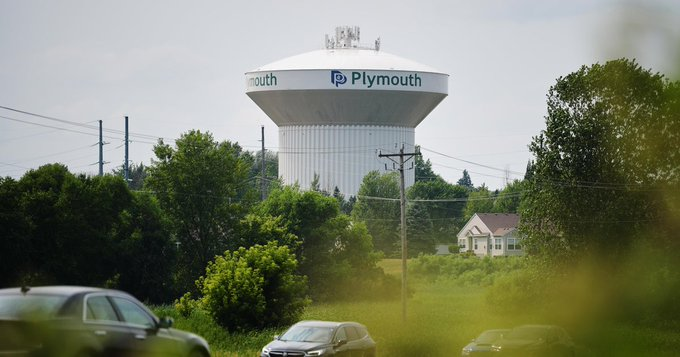
On July 26 and 27, 2026, malicious actors infiltrated the operational technology (OT) systems of over 30 Minnesota communities. [1, 6]Affected Cities: Towns like Plymouth, South St. Paul, Maple Plain, and Braham confirmed breaches. [3]
The Method: Hackers targeted programmable logic controllers (PLCs). These internet-connected devices remotely monitor and control heavy equipment like pumps and wells. In some instances, hackers changed administrative passwords to completely lock out utility operators. [4, 7, 8, 9]
The Operational Impact: Systems were forced offline. In Braham, the attack shut down the main treatment plant entirely, temporarily restricting water access to what remained in the local water tower. Multiple facilities were forced to switch to manual operations to maintain water pressure and treatment. [3, 7, 8]
The Culprit: The federal government and cybersecurity firms have not officially attributed the attack. However, a leaked intelligence memo and leading cybersecurity researchers indicate the attacks bear the distinct hallmarks of Iran-backed threat actors. This aligns with past patterns of the Iranian Revolutionary Guard Corps-affiliated group “CyberAv3ngers”. [2, 4, 5]The State of Water Sector Cybersecurity
This incident highlights systemic flaws in how the United States secures its most essential public utilities. [10]
1. Underfunded, Fragmented Defenses
Unlike the highly consolidated energy sector, the U.S. water sector is incredibly decentralized, featuring roughly 150,000 distinct public water systems. Most are managed at a local municipal level. They heavily operate under tight budgets, small teams, and negligible in-house cybersecurity expertise. Many small towns rely on the same third-party tech integrators, meaning a single shared software vulnerability can expose dozens of utilities simultaneously. [10, 11, 12]
2. The Danger of “Internet-Exposed” Controls
To save on labor and operational costs, water utilities increasingly rely on digital transformations. They utilize internet-facing OT networks to let technicians monitor water quality and pumps from home laptops or smartphones. Security agencies have repeatedly warned that leaving critical PLCs directly exposed to the public internet makes them easy targets for automated hacker scanning tools. [6, 7, 10, 13]
3. Rising Geopolitical Targeting
Critical infrastructure is no longer just targeted for ransomware money. State-sponsored hackers from Iran, China, and Russia increasingly target U.S. water plants to establish a footprint. This gives them the leverage to cause widespread public panic, trigger boil-water advisories, or disrupt emergency and healthcare services during broader geopolitical escalations. [2, 4, 5, 14]
Federal Response and Next Steps
In direct response to the Minnesota breaches, the federal government has escalated its defense measures:Urgent CISA Mandates: The Cybersecurity and Infrastructure Security Agency (CISA) issued an urgent nationwide alert. It strongly demands that water utility operators immediately pull all PLCs and industrial control screens off the public internet.
National Security Mobilization: The FBI, the EPA, and the Minnesota IT Services (MNIT) agency have deployed cyber-incident response teams to audit infected systems and trace the attack vector.
Stronger Guidelines: National agencies like the National Institute of Standards and Technology (NIST) are rolling out stricter digital guidelines for water districts. These rules prioritize multi-factor authentication, closed network ports, and the immediate changing of default manufacturer passwords. [1, 4, 7, 8, 9, 10]If you are researching this for a specific project or facility, let me know if you would like me to:
Outline the exact CISA security checklists recommended for safeguarding PLCs.
Analyze previous foreign cyberattacks on U.S. utilities for a historical comparison.
Detail the financial and regulatory hurdles municipal water districts face when upgrading their cyber defenses.
–— Michael Novakhov (@mikenov) Jul 31, 2026
Minnesota water system threat and the state of cybersecurity
A coordinated cyberattack has targeted the operational technology of over 30 community water systems across Minnesota, triggering an emergency response from federal and state agencies. The incident has put a national spotlight on the critical vulnerabilities within the United States water infrastructure.
The Minnesota Water System Threat
Between July 26 and July 27, 2026, a wave of digital breaches hit water utilities in several Minnesota municipalities—including Plymouth, South St. Paul, Maple Plain, and Braham.— Michael Novakhov (@mikenov) Jul 31, 2026