Categories
Articles and Tweets Tweets - Michael Novakhov (@mikenov) / Twitter

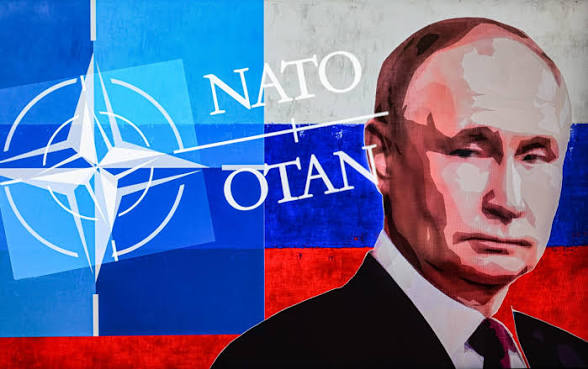
Russia and NATO are at verge of waging full scale war.

News Review – AI Briefs

17 min ago

Tensions politiques et sécuritaires sous l’administration Trump en 2026

Summary Les développements récents révèlent des divisions politiques persistantes et des actions controversées sous l’administration Trump, notamment sur les nominations clés, les …

News Review – AI Briefs

31 min ago

Ukraine War Escalates with Tech and Military Shifts

Summary Russia’s mounting military losses in Ukraine coincide with increased reliance on advanced technology and asymmetric tactics, suggesting a strategic pivot. The conflict’s es…

News Review – AI Briefs

1 hrs ago

Shifting Global Alliances and Escalating Military Strategies

Summary Europe abandons ESG constraints to bolster defense, while Ukraine intensifies attacks on Russian infrastructure and shipping. The U.S. reasserts naval dominance in the Midd…
Global Security And Intelligence News Review – Audio Posts
AI Brief

Summary

Europe abandons ESG constraints to bolster defense, while Ukraine intensifies attacks on Russian infrastructure and shipping. The U.S. reasserts naval dominance in the Middle East, and geopolitical alignments shift as Russia cedes influence to China. These developments suggest a rapid militarization of global conflicts and a reevaluation of long-standing economic and diplomatic norms.

Key Stories

Europe pivots from ESG to prioritize defense investments — Belgian Minister Theo Francken states the EU is abandoning ESG compliance as a barrier to defense spending, signaling a major shift in European security policy. This suggests a broader realignment of economic priorities in response to rising geopolitical threats.

Ukraine launches Black Sea offensive to cripple Russian shipping — Operation MoLoChKa targets 20 Russian tankers with attack drones, aiming to deny Russia control of the Black Sea basin. The strikes follow earlier successes in the Sea of Azov and reflect Ukraine’s growing reliance on asymmetric warfare.

U.S. strikes Iran and reimposes Hormuz blockade amid regional tensions — A 90-minute U.S. military operation against Iran coincides with the reinstatement of a naval blockade on the Strait of Hormuz. The move underscores escalating Middle East conflicts and America’s willingness to assert maritime dominance.

Ukraine’s drone production surges as Fedorov’s role gains strategic importance — Ukraine now produces 10 million drones annually, with Digital Minister Fedorov credited for automating deep strikes on Russian energy infrastructure. His potential removal is seen as a risk to Ukraine’s military momentum and U.S. support under the Trump administration.

Russia-China dynamic shifts as Putin assumes junior partner role — Analysts note Russia’s diminishing global influence, positioning it as a subordinate ally to China. This realignment may accelerate as Western sanctions and military setbacks erode Moscow’s leverage.

BREAKING:

Russia and NATO are at verge of waging full scale war.

Articles and Tweets

Shifting Global Alliances and Escalating Military Strategies

Summary Europe abandons ESG constraints to bolster defense, while Ukraine intensifies attacks on Russian infrastructure and shipping. The U.S. reasserts naval dominance in the Middle East, and geopolitical alignments shift as Russia cedes influence to China. These developments suggest a rapid militarization of global conflicts and a reevaluation of long-standing economic and diplomatic norms. Key Stories Europe pivots from ESG to prioritize defense investments — Belgian Minister Theo Francken states the EU is abandoning ESG compliance as a barrier to defense spending, signaling a major shift in European security policy. This suggests a broader realignment of economic priorities in response to rising geopolitical threats. Ukraine launches Black Sea offensive to cripple Russian shipping — Operation MoLoChKa targets 20 Russian tankers with attack drones, aiming to deny Russia control of the Black Sea basin. The strikes follow earlier successes in the Sea of Azov and reflect Ukraine’s growing reliance on asymmetric warfare. U.S. strikes Iran and reimposes Hormuz blockade amid regional tensions — A 90-minute U.S. military operation against Iran coincides with the reinstatement of a naval blockade on the Strait of Hormuz. The move underscores escalating Middle East conflicts and America’s willingness to assert maritime dominance. Ukraine’s drone production surges as Fedorov’s role gains strategic importance — Ukraine now produces 10 million drones annually, with Digital Minister Fedorov credited for automating deep strikes on Russian energy infrastructure. His potential removal is seen as a risk to Ukraine’s military momentum and U.S. support under the Trump administration. Russia-China dynamic shifts as Putin assumes junior partner role — Analysts note Russia’s diminishing global influence, positioning it as a subordinate ally to China. This realignment may accelerate as Western sanctions and military setbacks erode Moscow’s leverage.

Shifting Global Alliances and Escalating Military Strategies

Summary Europe abandons ESG constraints to bolster defense, while Ukraine intensifies attacks on Russian infrastructure and shipping. The U.S. reasserts naval dominance in the Middle East, and geopolitical alignments shift as Russia cedes influence to China. These developments suggest a rapid militarization of global conflicts and a reevaluation of long-standing economic and diplomatic norms. Key Stories Europe pivots from ESG to prioritize defense investments — Belgian Minister Theo Francken states the EU is abandoning ESG compliance as a barrier to defense spending, signaling a major shift in European security policy. This suggests a broader realignment of economic priorities in response to rising geopolitical threats. Ukraine launches Black Sea offensive to cripple Russian shipping — Operation MoLoChKa targets 20 Russian tankers with attack drones, aiming to deny Russia control of the Black Sea basin. The strikes follow earlier successes in the Sea of Azov and reflect Ukraine’s growing reliance on asymmetric warfare. U.S. strikes Iran and reimposes Hormuz blockade amid regional tensions — A 90-minute U.S. military operation against Iran coincides with the reinstatement of a naval blockade on the Strait of Hormuz. The move underscores escalating Middle East conflicts and America’s willingness to assert maritime dominance. Ukraine’s drone production surges as Fedorov’s role gains strategic importance — Ukraine now produces 10 million drones annually, with Digital Minister Fedorov credited for automating deep strikes on Russian energy infrastructure. His potential removal is seen as a risk to Ukraine’s military momentum and U.S. support under the Trump administration. Russia-China dynamic shifts as Putin assumes junior partner role — Analysts note Russia’s diminishing global influence, positioning it as a subordinate ally to China. This realignment may accelerate as Western sanctions and military setbacks erode Moscow’s leverage. The post Shifting Global Alliances and Escalating Military Strategies first appeared on Global Security And Intelligence News Review – Audio Posts.
RT by @mikenov: RT by @mikenov: Fedorov deserves enormous credit for turning Ukraine's fortunes around with automation: deep strikes on Russia's energy infrastructure, middle strikes to isolate Crimea and removing more Russian soldiers than Moscow can replace per month. He also personally appealed to Elon Musk to get SpaceX to deny the Russians access to Starlink, a decision that had an immediate impact on the battlefield. Sacking Fedorov would be a disaster in itself, but it'd also be seen as a regressive move among Ukraine allies in the Trump administration, of which there are precious few.