
#CIA #FBI #Mossad
x.com/mikenov/status/2085401…Michael Novakhov (@mikenov)Global #Security and #Intelligence #News Review
x.com/mikenov/status/2085400…— https://x.com/mikenov/status/2085401011162698077— Michael Novakhov (@mikenov) Aug 6, 2026
Category: Tweets – Michael Novakhov (@mikenov) / Twitter
Category Added in a WPeMatico Campaign
Global #Security and #Intelligence #News Review
x.com/mikenov/status/2085400…Michael Novakhov (@mikenov)Massive reciprocal deep strikes and a severe Ukrainian air defense crisis define the war today thenewsandtimes.blogspot.com…— https://x.com/mikenov/status/2085400073966338551— Michael Novakhov (@mikenov) Aug 6, 2026
I received Azerbaijan’s Minister of Foreign Affairs, @Bayramov_Jeyhun. This is the Minister’s first visit to Ukraine since the beginning of Russia’s full-scale invasion. He began his visit in Irpin, where he visited a school, a hospital, and a rehabilitation center supported by Azerbaijan. We are very grateful that, during these difficult days for our country and our people, you found an opportunity to come and support us. Thank you for your solidarity with our people.
I informed him about the ongoing Russian strikes on Ukraine, the situation in the Black Sea, and Russia’s blockade of the grain corridors. We discussed high-level diplomatic contacts, defense partnership, as well as economic cooperation in the energy sector, the oil and gas industry, and agriculture.
I am grateful to Azerbaijan for its support for Ukraine, its energy and humanitarian assistance, and our constructive dialogue.
Video
— @ZelenskyyUa Aug 6, 2026
Massive reciprocal deep strikes and a severe Ukrainian air defense crisis define the war today thenewsandtimes.blogspot.com…
— Michael Novakhov (@mikenov) Aug 6, 2026

Articles and Tweets









Another Russian General – Major General Plokhotnyuk – confirmed dead as a result of explosion in Moscow restaurant.
Rest in piss.— @ChurchillFella Aug 6, 2026
#Russia – #Ukraine #war
share.google/aimode/1CDkGdh3…
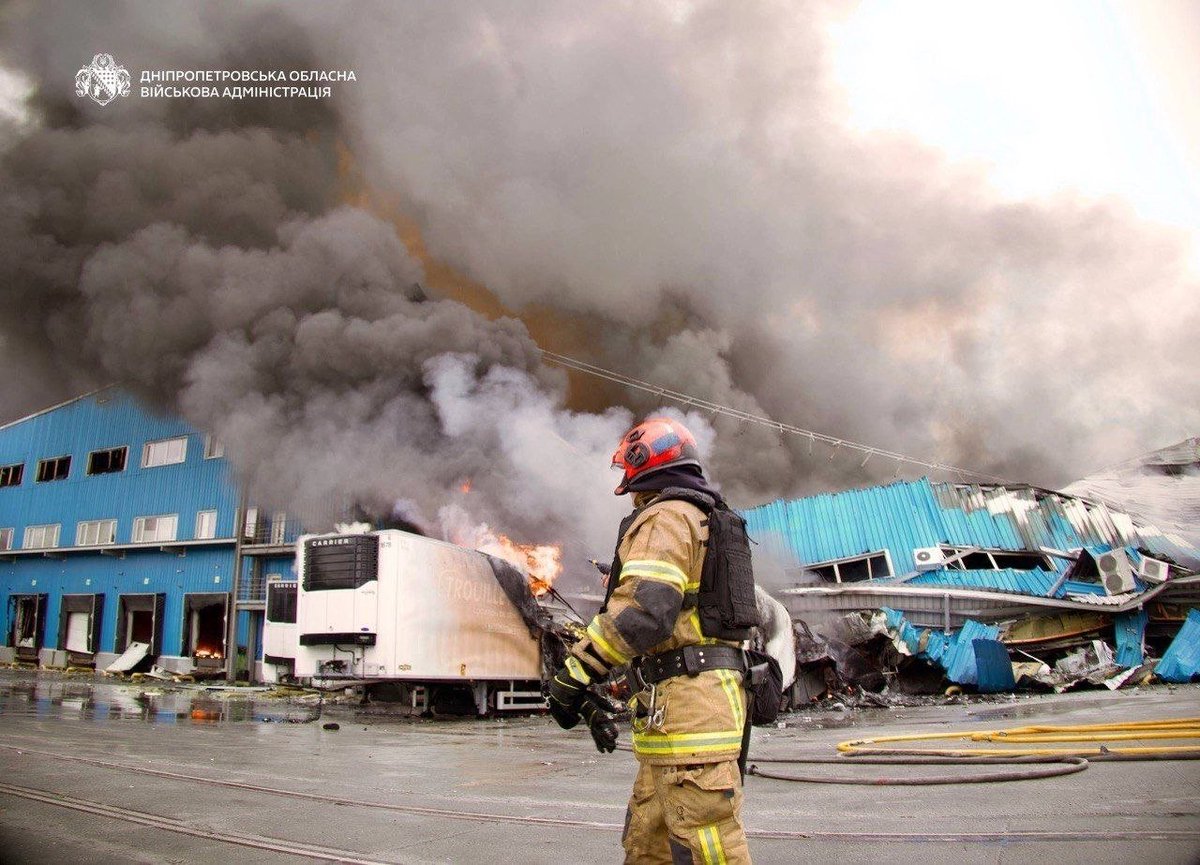
Massive reciprocal deep strikes and a severe Ukrainian air defense crisis define the war today, as Russia exploits critical shortages of Western interceptors and Ukraine executes its largest-ever drone raids into the Russian heartland. [1, 2]
🚨 Deep Ukraine Drones Hit Major Russian Oil RefineriesRecord Range Attacks: Overnight, Ukraine launched what Russian governors are calling the “largest-ever enemy attack” of the war. Flying more than 800 miles deep into Russia, Ukrainian drones successfully struck the Bashneft-Novoil refinery in Bashkortostan. [1, 3]
Yaroslavl Hit: A second massive strike targeted the Slavneft-Yanos refinery in Yaroslavl, roughly 435 miles from the border, igniting fuel reservoirs. [3, 4]
Shadow Fleet Target: President Volodymyr Zelenskyy confirmed that Ukrainian forces also disabled two Russian military patrol boats and several “shadow fleet” vessels used by Moscow to smuggle oil and evade Western sanctions. The Russian Ministry of Defense claimed its forces shot down 605 drones across the country overnight. [4]🔴 Critical Air Defense Failure and Kyiv Mass Casualties
Zero Ballistic Interceptions: The Kyiv region observed an official day of mourning following a devastating Russian missile blitz. Out of 28 ballistic and cruise missiles fired by Russia, Ukraine failed to intercept a single missile due to a near-total depletion of Patriot anti-ballistic missile interceptors. [2, 5]
Rising Civilian Death Toll: The barrage killed at least 17 civilians and wounded dozens more in the capital, obliterating logistics hubs and a vital humanitarian warehouse holding 62 million HIV prevention medical items. [6, 7]
Grim UN Figures: The United Nations reported a 37% spike in civilian casualties over the first half of this year compared to last year, explicitly caused by Russia’s amplified long-range ballistic bombardment. [5]🌐 North Korean Deployment Escalates Frontline
Active Missile Units: Ukrainian military intelligence confirmed that a specialized North Korean military missile unit has actively deployed to Russia’s western Voronezh region. [8]
Foreign Arsenals: Composed of roughly 90 North Korean personnel, the unit is operating up to six launchers and 120 KN-23 and KN-24 short-range ballistic missiles. This allows Russia to sustain its highly aggressive bombardment of Ukrainian cities without dipping into its primary S-400 and Zirkon domestic missile stocks. [2, 9]⚡ Hybrid Threats and Energy Blackouts
Gas Station Retaliation: In response to Ukraine’s economic drone strikes on refineries, Russian forces have systematically attacked 250 Ukrainian gas stations. Deputy Prime Minister Denys Shmyhal warned that 80% of Ukraine’s energy generation is now destroyed or severely damaged, raising existential alarms for the water and sewage systems ahead of the winter freeze. [7, 10, 11]
European False Flag Warnings: Simultaneously, Lithuania’s Defense Ministry sounded alarms that Russia may be planning false-flag provocations using captured Ukrainian drones against the Baltic borders. This follows a counter-terrorism investigation launched in Germany after an explosive-laden drone was discovered near a runway at the Leipzig/Halle military transit airport. [12]Would you like me to provide a detailed map analysis of the specific oil refineries struck inside Russia, or would you prefer a closer breakdown of the latest frontline movements in the Donbas region?
[1] bbc.com
[2] understandingwar.org
[3] abcnews.com
[4] columbian.com
[5] usnews.com
[6] youtube.com
[7] nytimes.com
[8] reuters.com
[9] aljazeera.com
[10] understandingwar.org
[11] russiamatters.org
[12] independent.co.uk— Michael Novakhov (@mikenov) Aug 6, 2026
#Russia – #Ukraine #war
share.google/aimode/1CDkGdh3…
Massive reciprocal deep strikes and a severe Ukrainian air defense crisis define the war today, as Russia exploits critical shortages of Western interceptors and Ukraine executes its largest-ever drone raids into the Russian heartland. [1, 2]
🚨 Deep Ukraine Drones Hit Major Russian Oil RefineriesRecord Range Attacks: Overnight, Ukraine launched what Russian governors are calling the “largest-ever enemy attack” of the war. Flying more than 800 miles deep into Russia, Ukrainian drones successfully struck the Bashneft-Novoil refinery in Bashkortostan. [1, 3]
Yaroslavl Hit: A second massive strike targeted the Slavneft-Yanos refinery in Yaroslavl, roughly 435 miles from the border, igniting fuel reservoirs. [3, 4]
Shadow Fleet Target: President Volodymyr Zelenskyy confirmed that Ukrainian forces also disabled two Russian military patrol boats and several “shadow fleet” vessels used by Moscow to smuggle oil and evade Western sanctions. The Russian Ministry of Defense claimed its forces shot down 605 drones across the country overnight. [4]🔴 Critical Air Defense Failure and Kyiv Mass Casualties
Zero Ballistic Interceptions: The Kyiv region observed an official day of mourning following a devastating Russian missile blitz. Out of 28 ballistic and cruise missiles fired by Russia, Ukraine failed to intercept a single missile due to a near-total depletion of Patriot anti-ballistic missile interceptors. [2, 5]
Rising Civilian Death Toll: The barrage killed at least 17 civilians and wounded dozens more in the capital, obliterating logistics hubs and a vital humanitarian warehouse holding 62 million HIV prevention medical items. [6, 7]
Grim UN Figures: The United Nations reported a 37% spike in civilian casualties over the first half of this year compared to last year, explicitly caused by Russia’s amplified long-range ballistic bombardment. [5]🌐 North Korean Deployment Escalates Frontline
Active Missile Units: Ukrainian military intelligence confirmed that a specialized North Korean military missile unit has actively deployed to Russia’s western Voronezh region. [8]
Foreign Arsenals: Composed of roughly 90 North Korean personnel, the unit is operating up to six launchers and 120 KN-23 and KN-24 short-range ballistic missiles. This allows Russia to sustain its highly aggressive bombardment of Ukrainian cities without dipping into its primary S-400 and Zirkon domestic missile stocks. [2, 9]⚡ Hybrid Threats and Energy Blackouts
Gas Station Retaliation: In response to Ukraine’s economic drone strikes on refineries, Russian forces have systematically attacked 250 Ukrainian gas stations. Deputy Prime Minister Denys Shmyhal warned that 80% of Ukraine’s energy generation is now destroyed or severely damaged, raising existential alarms for the water and sewage systems ahead of the winter freeze. [7, 10, 11]
European False Flag Warnings: Simultaneously, Lithuania’s Defense Ministry sounded alarms that Russia may be planning false-flag provocations using captured Ukrainian drones against the Baltic borders. This follows a counter-terrorism investigation launched in Germany after an explosive-laden drone was discovered near a runway at the Leipzig/Halle military transit airport. [12]Would you like me to provide a detailed map analysis of the specific oil refineries struck inside Russia, or would you prefer a closer breakdown of the latest frontline movements in the Donbas region?
[1] bbc.com
[2] understandingwar.org
[3] abcnews.com
[4] columbian.com
[5] usnews.com
[6] youtube.com
[7] nytimes.com
[8] reuters.com
[9] aljazeera.com
[10] understandingwar.org
[11] russiamatters.org
[12] independent.co.uk— Michael Novakhov (@mikenov) Aug 6, 2026
🇮🇱 NEW: Netanyahu accidentally revealed the REAL reason for the war. It has nothing to do with nuclear weapons. He admitted the plan is to build oil pipelines through the Middle East to Israeli ports, completely bypassing Arab-controlled straits. It’s all about money and control.
Video
— @GBC_Press Aug 6, 2026
❗️The daughter of the Commander-in-Chief of the Russian Aerospace Forces was seriously injured in the explosion at the Balzi Rossi restaurant and is being treated at Pirogov Hospital No. 1, — ASTRA
Death of Chaiko’s son-in-law, Daniil Peredriy, was confirmed.
— @Maks_NAFO_FELLA Aug 6, 2026