Summary
Recent developments highlight intensifying military and political dynamics in Ukraine, the Middle East, and beyond. Ukraine’s advances prompt renewed Russian threats to Kyiv, while Norway reaffirms support amid broader donor coordination. Separately, geopolitical tensions manifest in economic nationalism and targeted strikes, alongside unrelated but critical military incidents.
Key Stories
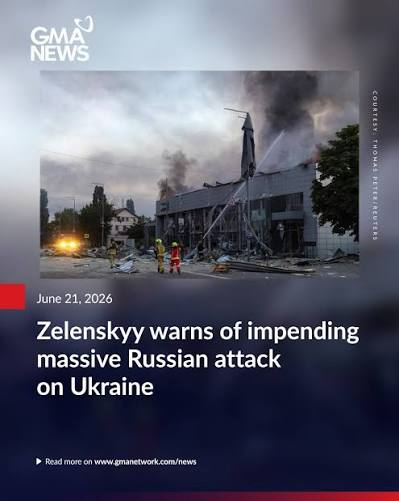
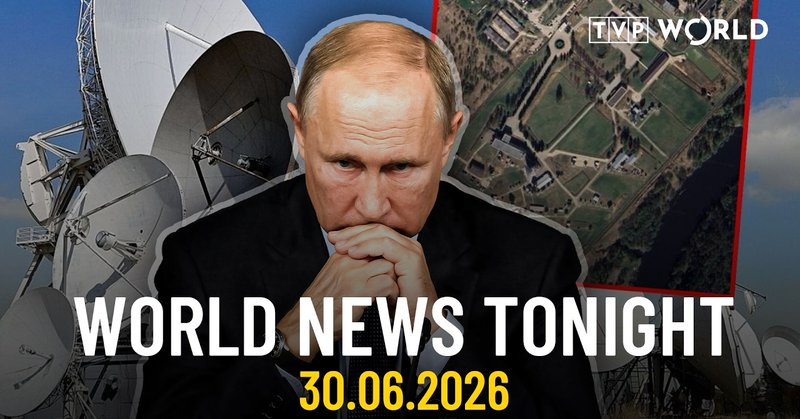
Putin orders new plans to capture Kyiv as Ukraine gains momentum — Ukrainian military leadership reports Putin has directed the Russian army to explore fresh strategies for seizing Kyiv, including potential invasions from Belarus and Bryansk. This suggests a shift from defensive posturing to offensive escalation despite recent Ukrainian territorial gains.
Norway pledges sustained Ukraine aid, urges broader allied support — Norwegian officials, including Jens Stoltenberg, reaffirmed substantial military and financial backing for Ukraine, framing Kyiv’s battlefield successes as a catalyst for increased donor mobilization. The statement may indicate a coordinated push to preempt donor fatigue.
Russian banker criticizes economic sovereignty push as excessive — Andrei Kostin, a Putin ally and VTB head, publicly criticized Russia’s overuse of ‘sovereignty’ rhetoric, particularly in economic policies like import substitution. His remarks may signal internal dissent over the sustainability of isolationist strategies.
US Navy helicopter crashes in Arabian Sea, one crew member missing — A US Navy MH-60S Sea Hawk assigned to the USS George H.W. Bush made an emergency water landing in the Arabian Sea, with three crew recovered and one still missing. The Navy ruled out hostile fire as the cause, though investigations continue.
Israel eliminates Hamas platoon commander linked to sniper attacks — The IDF announced the targeted killing of Adel Jihad Mohammad Asfour, a Hamas military wing commander accused of advancing sniper operations and rebuilding explosive capabilities. The strike underscores Israel’s focus on dismantling Hamas’ tactical leadership.