
https://x.com/mikenov/status/2087517698741735881 Michael Novakhov
@mikenov
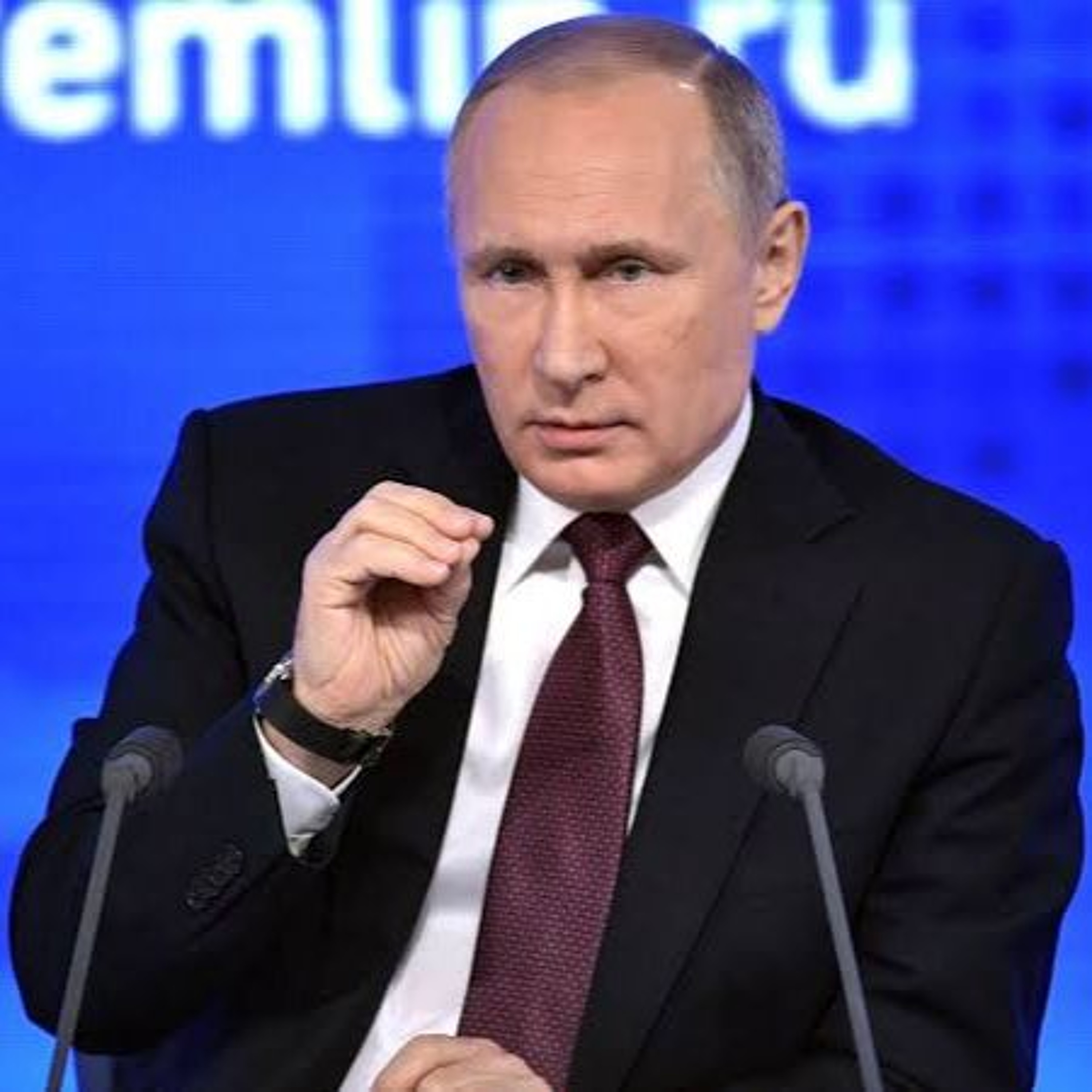
#Putin #Hubris #Ukraine Putin’s Hubris and Ukraine War https://share.gemini.google/PLQoM0SwqGKU The concept of “hubris” is central to understanding Vladimir Putin’s decision to launch a full-scale invasion of Ukraine in February 2022. From a geopolitical and strategic perspective, this hubris manifested not just in the decision to invade, but in the catastrophic intelligence failures and imperial assumptions that underpinned the entire military operation. Here is a breakdown of how Russian hubris shaped the origins and reality of the Ukraine war. The Intelligence Failure: Tactical Hubris The initial invasion plan was predicated on a swift, multi-axis decapitation strike aimed at capturing Kyiv within days. This strategy relied on deeply flawed intelligence assessments, largely attributed to the FSB’s Fifth Service, which assured the Kremlin that the Ukrainian government would collapse and that Russian troops would be welcomed as liberators. This institutional hubris led to a failure in basic military tradecraft: Logistics: Russian forces advanced without adequate supply lines, assuming they would not be in the field long enough to need them.
Operational Security (OPSEC): Troops were sent into combat with unencrypted comms and parade uniforms packed in their vehicles, entirely unprepared for a protracted fight.
Underestimating the Adversary: Moscow fundamentally underestimated the resolve of Ukrainian leadership, the agility of their military, and the rapid integration of open-source intelligence (OSINT) and commercial drone technology into Ukrainian defensive operations. Imperial Nostalgia: Strategic Hubris Putin’s war is heavily driven by a historical and cultural hubris. In his essays and speeches leading up to the war, Putin consistently denied the existence of a distinct Ukrainian national identity, framing Ukraine merely as an artificial construct and an inalienable part of a “Greater Russia.” This imperial mindset blinded Russian leadership to the reality on the ground: a modern, sovereign Ukraine that had spent the years since the 2014 annexation of Crimea building a cohesive national identity and a NATO-trained, battle-hardened military. By denying the agency of the Ukrainian people, Moscow miscalculated the fierce resistance that would define the conflict. The Geopolitical Reality Check The gap between Russian expectations and the reality of the war has fundamentally reshaped the global security landscape. The Expectation (Hubris)The Reality (Outcome)Swift regime changeA grinding, multi-year war of attrition requiring mass mobilization.Fracturing the WestA reinvigorated, expanded NATO alliance (with the accession of Finland and Sweden).Military supremacyExposure of deep systemic rot within the Russian armed forces, leading to a reliance on asymmetric drone warfare, artillery barrages, and private military companies.Economic resilienceSevere diplomatic isolation and deep reliance on secondary partners like Iran and North Korea for munitions and technology.
The Academic Counter-Narrative: “Western Hubris”
While Putin’s hubris was the immediate catalyst for the invasion, geopolitical analysts and historians also debate the role of Western actions leading up to the conflict.
In books like Hubris: The Origins of Russia’s War Against Ukraine by Jonathan Haslam, the argument is made that post-Cold War Western triumphalism also played a crucial role. Haslam and similar realist thinkers argue that a history of unilateral actions by the United States and the continuous eastward expansion of NATO ignored clear warnings from Moscow, deeply antagonizing a humiliated, post-Soviet Russia. In this view, while the invasion is entirely Russia’s responsibility, Western diplomatic arrogance created the volatile geopolitical conditions that Putin eventually ignited. – Putin, his Ukraine war, and his Russian hubris – AI Mode
…
@mikenov
#Putin #Hubris #Ukraine Putin’s Hubris and Ukraine War https://share.gemini.google/PLQoM0SwqGKU The concept of “hubris” is central to understanding Vladimir Putin’s decision to launch a full-scale invasion of Ukraine in February 2022. From a geopolitical and strategic perspective, this hubris manifested not just in the decision to invade, but in the catastrophic intelligence failures and imperial assumptions that underpinned the entire military operation. Here is a breakdown of how Russian hubris shaped the origins and reality of the Ukraine war. The Intelligence Failure: Tactical Hubris The initial invasion plan was predicated on a swift, multi-axis decapitation strike aimed at capturing Kyiv within days. This strategy relied on deeply flawed intelligence assessments, largely attributed to the FSB’s Fifth Service, which assured the Kremlin that the Ukrainian government would collapse and that Russian troops would be welcomed as liberators. This institutional hubris led to a failure in basic military tradecraft: Logistics: Russian forces advanced without adequate supply lines, assuming they would not be in the field long enough to need them.
Operational Security (OPSEC): Troops were sent into combat with unencrypted comms and parade uniforms packed in their vehicles, entirely unprepared for a protracted fight.
Underestimating the Adversary: Moscow fundamentally underestimated the resolve of Ukrainian leadership, the agility of their military, and the rapid integration of open-source intelligence (OSINT) and commercial drone technology into Ukrainian defensive operations. Imperial Nostalgia: Strategic Hubris Putin’s war is heavily driven by a historical and cultural hubris. In his essays and speeches leading up to the war, Putin consistently denied the existence of a distinct Ukrainian national identity, framing Ukraine merely as an artificial construct and an inalienable part of a “Greater Russia.” This imperial mindset blinded Russian leadership to the reality on the ground: a modern, sovereign Ukraine that had spent the years since the 2014 annexation of Crimea building a cohesive national identity and a NATO-trained, battle-hardened military. By denying the agency of the Ukrainian people, Moscow miscalculated the fierce resistance that would define the conflict. The Geopolitical Reality Check The gap between Russian expectations and the reality of the war has fundamentally reshaped the global security landscape. The Expectation (Hubris)The Reality (Outcome)Swift regime changeA grinding, multi-year war of attrition requiring mass mobilization.Fracturing the WestA reinvigorated, expanded NATO alliance (with the accession of Finland and Sweden).Military supremacyExposure of deep systemic rot within the Russian armed forces, leading to a reliance on asymmetric drone warfare, artillery barrages, and private military companies.Economic resilienceSevere diplomatic isolation and deep reliance on secondary partners like Iran and North Korea for munitions and technology.
The Academic Counter-Narrative: “Western Hubris”
While Putin’s hubris was the immediate catalyst for the invasion, geopolitical analysts and historians also debate the role of Western actions leading up to the conflict.
In books like Hubris: The Origins of Russia’s War Against Ukraine by Jonathan Haslam, the argument is made that post-Cold War Western triumphalism also played a crucial role. Haslam and similar realist thinkers argue that a history of unilateral actions by the United States and the continuous eastward expansion of NATO ignored clear warnings from Moscow, deeply antagonizing a humiliated, post-Soviet Russia. In this view, while the invasion is entirely Russia’s responsibility, Western diplomatic arrogance created the volatile geopolitical conditions that Putin eventually ignited. – Putin, his Ukraine war, and his Russian hubris – AI Mode
…