
🔥 Chechen warlord Ramzan Kadyrov is actively DODGING Putin’s war.
Instead he’s locked in Moscow blood feuds, focusing on LOOTING elites’ assets while shielding his personal army
👉 Kadyrov knows what’s next: He is preparing for the post-Putin civil war
youtu.be/kS46s8pxtB8— @officejjsmart Aug 14, 2026
Month: August 2026
🇺🇸 Trump says the USS Abraham Lincoln is moving and will soon be replaced by another similar carrier.
That is good to hear, especially after the disturbing reports surrounding the crew aboard the Lincoln. Hopefully, the sailors will soon be able to return home and get some much needed rest.
Let’s hope for the safe recovery of these brave service members and their reunification with their families.
Video
— @DI313_ Aug 14, 2026
Ukraine Is Bombing Deep into the Urals – But Deliberately Leaving Tatarstan Alone
Ukraine is hitting everything around the Urals — but never Tatarstan.
That’s not an accident. Volga Tatars are Russia’s largest minority, a Turkic Muslim nation with a long memory, a strong identity and a history of independence.Kazan once Bulghar — isnt just another Russian city. It’s a pressure point.
Kyiv knows this. Strike Ural refineries? Pressure Russian logistics?
But hit Tatarstan?
That would unite the region behind Moscow instead of letting old ambitions simmer under the surface.In the Urals, refineries burn. In Tatarstan, the future is combustible.
#Ukraine 🇺🇦 #Russia 🇷🇺 #Tatarstan #Ural #Geopolitics
— @jalle51 Aug 14, 2026
BBC seeks to subpoena Trump family members in defamation suit dlvr.it/TV1QqH
— @politico Aug 14, 2026
Albania just hit Trump where it hurts
They froze land, money, and assets for Jared Kushner’s resort project.Small country. Big move 🇦🇱
Video
— @_InfoGram_ Aug 14, 2026
Ukraine War: Predictive Analytics Evolution share.gemini.google/JDiLGtCX…
— Michael Novakhov (@mikenov) Aug 14, 2026
‘Война с Ираном: Трамп, Путин, Нетаньяху’ by Mike Nova 2 is on #SoundCloud on.soundcloud.com/tFsvaQiX6G…
— Michael Novakhov (@mikenov) Aug 14, 2026
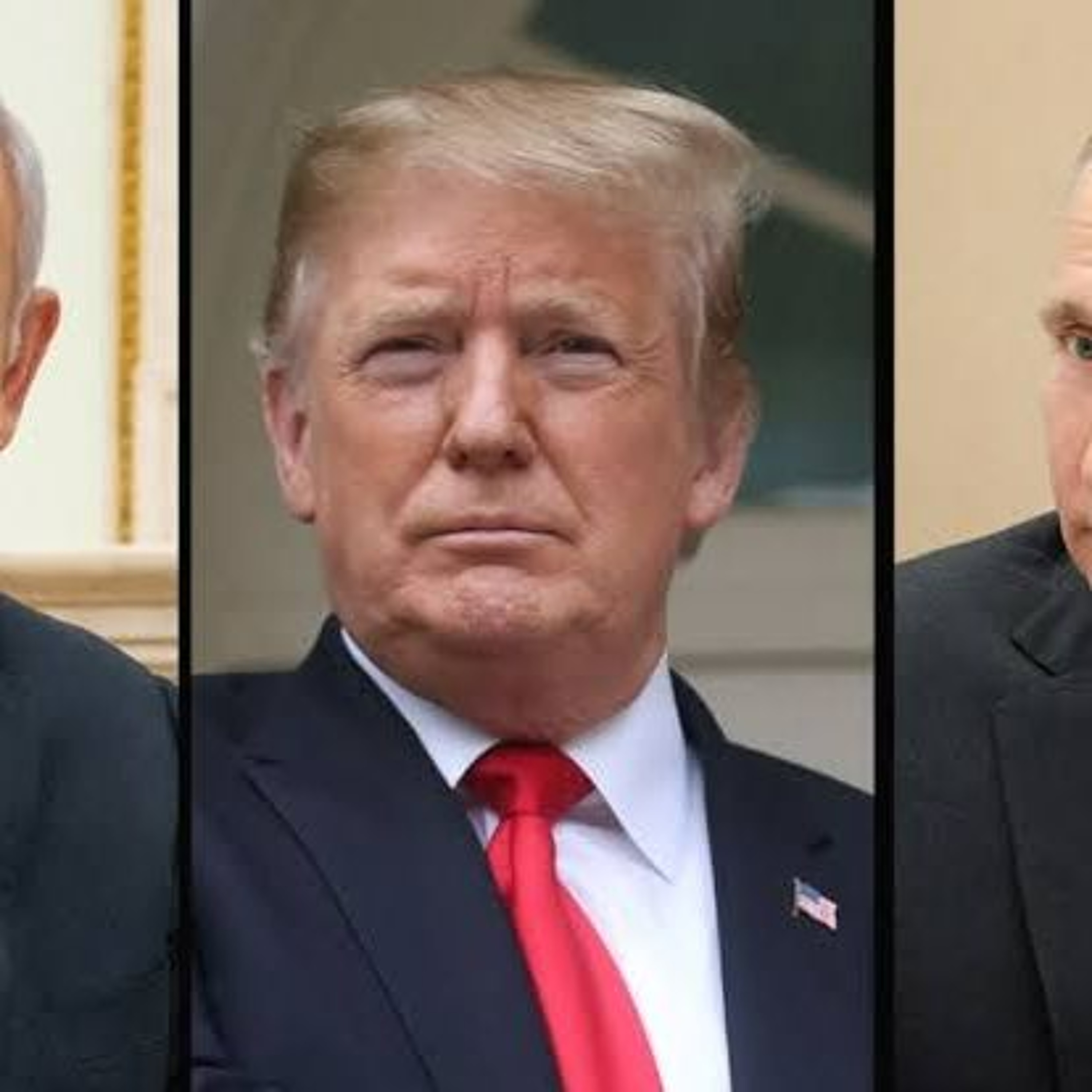
https://x.com/mikenov/status/2088311427073245315 Война с Ираном: Трамп, Путин, Нетаньяху На фоне событий продолжающегося в 2026 году конфликта с Ираном отношения между Дональдом Трампом, Биньямином Нетаньяху и Владимиром Путиным становятся все более сложными. То, что начиналось в феврале как совместные удары США и Израиля, переросло в напряженное дипломатическое и военное противостояние, в рамках которого каждый из трех лидеров преследует свои цели. Ниже представлен анализ того, как эти лидеры действуют в условиях кризиса: 1. Растущий раскол между Трампом и Нетаньяху Хотя США и Израиль начинали войну совместно, сейчас у президента Трампа и премьер-министра Нетаньяху кардинально различаются взгляды на то, как она должна завершиться. Стремление Трампа к деэскалации: Обеспокоенный экономическими последствиями высоких цен на нефть и инфляцией в преддверии промежуточных выборов в США (ноябрь 2026 года), Трамп активно пытается свернуть конфликты в Иране, секторе Газа и Ливане. Он выступает за частичные переговоры с Тегераном, делая при этом ставку на жесткую морскую блокаду — которую он назвал «стальной стеной» — с целью лишить Иран ресурсов.
Жесткая позиция Нетаньяху: Нетаньяху настаивает на продолжении эскалации и открыто отверг поддержанный Трампом мирный план из 15 пунктов, призванный положить конец войне в секторе Газа. Нетаньяху требует полного разоружения ХАМАС до вывода израильских войск, позиционируя свой отказ как проявление твердости Израиля перед лицом давления со стороны США.
Сотрудничество в сфере разведки: Несмотря на политические разногласия, Израиль продолжает передавать США разведданные о серьезных планах Ирана по покушению на Трампа — в качестве мести как за текущую войну, так и за ликвидацию Касема Сулеймани в 2020 году. В то же время ЦРУ порой выражало сомнения в достоверности деталей некоторых израильских предупреждений. 2. Расчетливое участие Путина Президент России Владимир Путин выступает с предостережениями, стремясь защитить российские интересы в регионе (включая иранскую АЭС «Бушер») и одновременно предлагая ограниченные дипломатические пути выхода из кризиса. Предупреждения против применения силы: В ходе контактов с Трампом Путин высказывался за прекращение огня, предупреждая, что дальнейшее применение военной силы со стороны США и Израиля повлечет за собой «крайне тяжелые последствия» для всего международного сообщества.
Предложение по урану: Путин предложил помощь России в виде взятия под контроль иранских запасов обогащенного урана. Трамп отверг это предложение, заявив Путину, что предпочел бы, чтобы Россия сосредоточила усилия на прекращении войны в Украине. 3. Тупиковая ситуация вокруг Ормузского пролива Конфликт зашел в тупик из-за экономических последствий и вопроса контроля над стратегически важными морскими путями. Взаимные требования: Иран отказался вновь открыть Ормузский пролив — ключевую артерию, через которую проходит 20% мирового объема торговли нефтью, — до тех пор, пока США не выполнят ряд жестких условий, включая вывод войск и выплату компенсаций за военный ущерб. В ответ Трамп потребовал от Ирана выплаты масштабных репараций за гибель американских военнослужащих на протяжении десятилетий — начиная с инцидента с эсминцем USS Cole.
Военная напряженность: Хотя полномасштабные боевые действия были приостановлены ради дипломатического урегулирования, силы США и Саудовской Аравии продолжают наносить удары по поддерживаемым Ираном группировкам в Ираке, а американским военным приходилось перехватывать иранские баллистические ракеты, нацеленные на силы США на Ближнем Востоке.
Жесткая позиция Нетаньяху: Нетаньяху настаивает на продолжении эскалации и открыто отверг поддержанный Трампом мирный план из 15 пунктов, призванный положить конец войне в секторе Газа. Нетаньяху требует полного разоружения ХАМАС до вывода израильских войск, позиционируя свой отказ как проявление твердости Израиля перед лицом давления со стороны США.
Сотрудничество в сфере разведки: Несмотря на политические разногласия, Израиль продолжает передавать США разведданные о серьезных планах Ирана по покушению на Трампа — в качестве мести как за текущую войну, так и за ликвидацию Касема Сулеймани в 2020 году. В то же время ЦРУ порой выражало сомнения в достоверности деталей некоторых израильских предупреждений. 2. Расчетливое участие Путина Президент России Владимир Путин выступает с предостережениями, стремясь защитить российские интересы в регионе (включая иранскую АЭС «Бушер») и одновременно предлагая ограниченные дипломатические пути выхода из кризиса. Предупреждения против применения силы: В ходе контактов с Трампом Путин высказывался за прекращение огня, предупреждая, что дальнейшее применение военной силы со стороны США и Израиля повлечет за собой «крайне тяжелые последствия» для всего международного сообщества.
Предложение по урану: Путин предложил помощь России в виде взятия под контроль иранских запасов обогащенного урана. Трамп отверг это предложение, заявив Путину, что предпочел бы, чтобы Россия сосредоточила усилия на прекращении войны в Украине. 3. Тупиковая ситуация вокруг Ормузского пролива Конфликт зашел в тупик из-за экономических последствий и вопроса контроля над стратегически важными морскими путями. Взаимные требования: Иран отказался вновь открыть Ормузский пролив — ключевую артерию, через которую проходит 20% мирового объема торговли нефтью, — до тех пор, пока США не выполнят ряд жестких условий, включая вывод войск и выплату компенсаций за военный ущерб. В ответ Трамп потребовал от Ирана выплаты масштабных репараций за гибель американских военнослужащих на протяжении десятилетий — начиная с инцидента с эсминцем USS Cole.
Военная напряженность: Хотя полномасштабные боевые действия были приостановлены ради дипломатического урегулирования, силы США и Саудовской Аравии продолжают наносить удары по поддерживаемым Ираном группировкам в Ираке, а американским военным приходилось перехватывать иранские баллистические ракеты, нацеленные на силы США на Ближнем Востоке.
Ukraine’s diplomacy is finding unexpected success beyond its traditional allies.
Within a span of a few months, President Volodymyr Zelensky has paid first wartime visits to Armenia, Azerbaijan, and Serbia — countries traditionally counted among Moscow’s partners. kyivindependent.com/how-ukra…
— @KyivIndependent Aug 14, 2026
share.gemini.google/14nHVTlg… on.soundcloud.com/YV9u1TF22p… – Audio Post
Iran War: Trump, Putin, NetanyahuBased on the current developments in the ongoing 2026 conflict with Iran, the dynamics between Donald Trump, Benjamin Netanyahu, and Vladimir Putin have become increasingly complex. What started as joint U.S.-Israeli strikes in February has evolved into a tense diplomatic and military standoff, with the three leaders pursuing diverging agendas.
Here is a breakdown of how the three leaders are navigating the crisis:
1. The Growing Trump-Netanyahu Rift
While the U.S. and Israel initially launched the war together, President Trump and Prime Minister Netanyahu now have vastly different priorities for how it should end.
Trump’s push for de-escalation: Driven by the economic toll of high oil prices and inflation ahead of the November 2026 U.S. midterm elections, Trump is actively trying to wind down the conflicts in Iran, Gaza, and Lebanon. He favors semi-negotiating with Tehran while relying on a severe naval blockade—which he dubbed a “steel wall”—to starve Iran of resources.
Netanyahu’s hardline stance: Netanyahu has pushed for continued escalation and explicitly rejected a Trump-backed 15-point peace plan meant to end the war in Gaza. Netanyahu insists that Hamas must be completely disarmed before Israel withdraws, framing his rejection as Israel standing its ground against U.S. pressure.
Intelligence cooperation: Despite the political friction, Israel has continued to feed the U.S. intelligence regarding serious Iranian assassination plots against Trump—revenge for both the current war and the 2020 killing of Qassem Soleimani. However, the CIA has occasionally expressed “low confidence” in the specifics of some Israeli warnings.2. Putin’s Calculated Involvement
Russian President Vladimir Putin has positioned himself as a cautionary voice, seeking to protect Russian interests in the region (including Iran’s Bushehr Nuclear Power Plant) while offering limited diplomatic off-ramps.
Warnings against force: In communications with Trump, Putin has backed ceasefires while warning that further military force by the U.S. and Israel would have “extremely dire consequences” for the entire international community.
The Uranium offer: Putin proposed that Russia could help by taking control of Iran’s enriched uranium stockpiles. Trump rebuffed this suggestion, telling Putin he would rather see Russia focus its efforts on ending the war in Ukraine.3. The Impasse Over the Strait of Hormuz
The conflict is currently deadlocked over the economic fallout and control of vital waterways.
Dueling demands: Iran has refused to reopen the Strait of Hormuz—a chokepoint for 20% of global oil trade—unless the U.S. meets steep demands, including withdrawing forces and paying war damages. In retaliation, Trump has demanded that Iran pay sweeping reparations for decades of U.S. casualties dating back to the USS Cole.
Military friction: While full-scale operations have paused for diplomacy, U.S. and Saudi forces continue to strike Iranian proxies in Iraq, and the U.S. military has had to intercept Iranian ballistic missiles targeting American forces in the Middle East.— Michael Novakhov (@mikenov) Aug 14, 2026